The Blog

The Latest from the Endangered Species Coalition

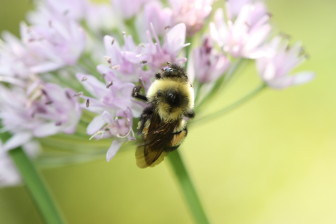
A close-up of a bumblebee collecting nectar from pale purple flowers, with a soft-focus green and yellow background.
Press Release

On “Day Zero” for American Wildlife, Groups Across the Country Denounce Trump’s Attack on Endangered Species’ Habitat

The decision to rescind the regulatory definition of “harm” under the Endangered Species Act (ESA) could enable extractive industries to destroy or modify the habitat of imperiled plants and animals — the places they need to feed, shelter, raise their young — even if it results in their death or injury.

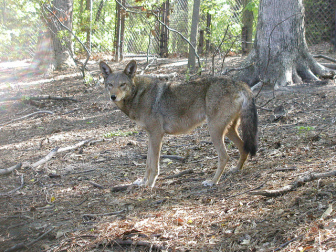
A wolf lies quietly in a dimly lit rocky forest setting, offering a glimpse into wildlife serenity.
Endangered Species Act

Bipartisan Former Wildlife Agency Leaders Defend Longstanding Endangered Species Act “Harm” Definition

Seven former leaders of the U.S. Fish and Wildlife Service and NOAA Fisheries have sent a letter to Interior Secretary Douglas Burgum and Commerce Secretary Howard Lutnick urging the administration to withdraw its recent rollback of the Endangered Species Act’s definition of “harm.”

Get alerts and updates

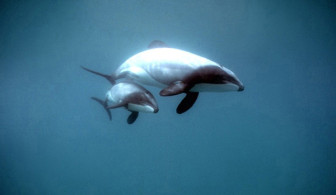
Two dolphins swim together underwater; the larger dolphin appears to be an adult, and the smaller one is a calf. Both have black, white, and gray markings. The background is a blue, open ocean.
critically endangered

New Zealand Government Willfully Allowing Extinction of Native Dolphins

The New Zealand government is willfully allowing the extinction of their own native dolphin species, the endangered Hector’s dolphin (Cephalorhynchus hectori) and the critically endangered Maui’s Dolphin (Cephalorhynchus hectori maui). New Zealand marine scientist Dr. Elisabeth “Liz” Slooten is doing everything she can to stop it.
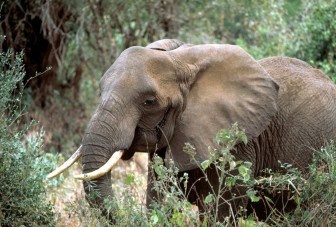
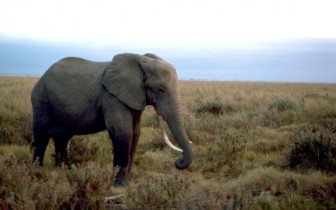
An adult elephant with large tusks stands in a grassy savanna under a cloudy sky, surrounded by shrubs and tall grass.
Elephants

Technology joins the fight against poaching

Elephant poaching is on the rise, and the international demand for illegal ivory continues to grow. In China, the ivory trade is extremely profitable; a single elephant tusk weighing 6 pounds can go for $12,700. The business in China is undergoing a crackdown and has largely moved online. In the United States, it is estimated that 30% of the ivory on the market is illegal.

Defend endangered species

Support our work

The Endangered Species Coalition is a non-profit organization and relies on the support of grassroots donors. Please make a tax-deductible gift today to allow us to continue organizing and mobilizing for endangered species.