Amendment 83 threatens to change how Colorado makes wildlife policy by giving hunting and fishing special constitutional status. Learn how this proposal could undermine science-based conservation, limit voters’ voices, and make it harder to protect wildlife for future generations.
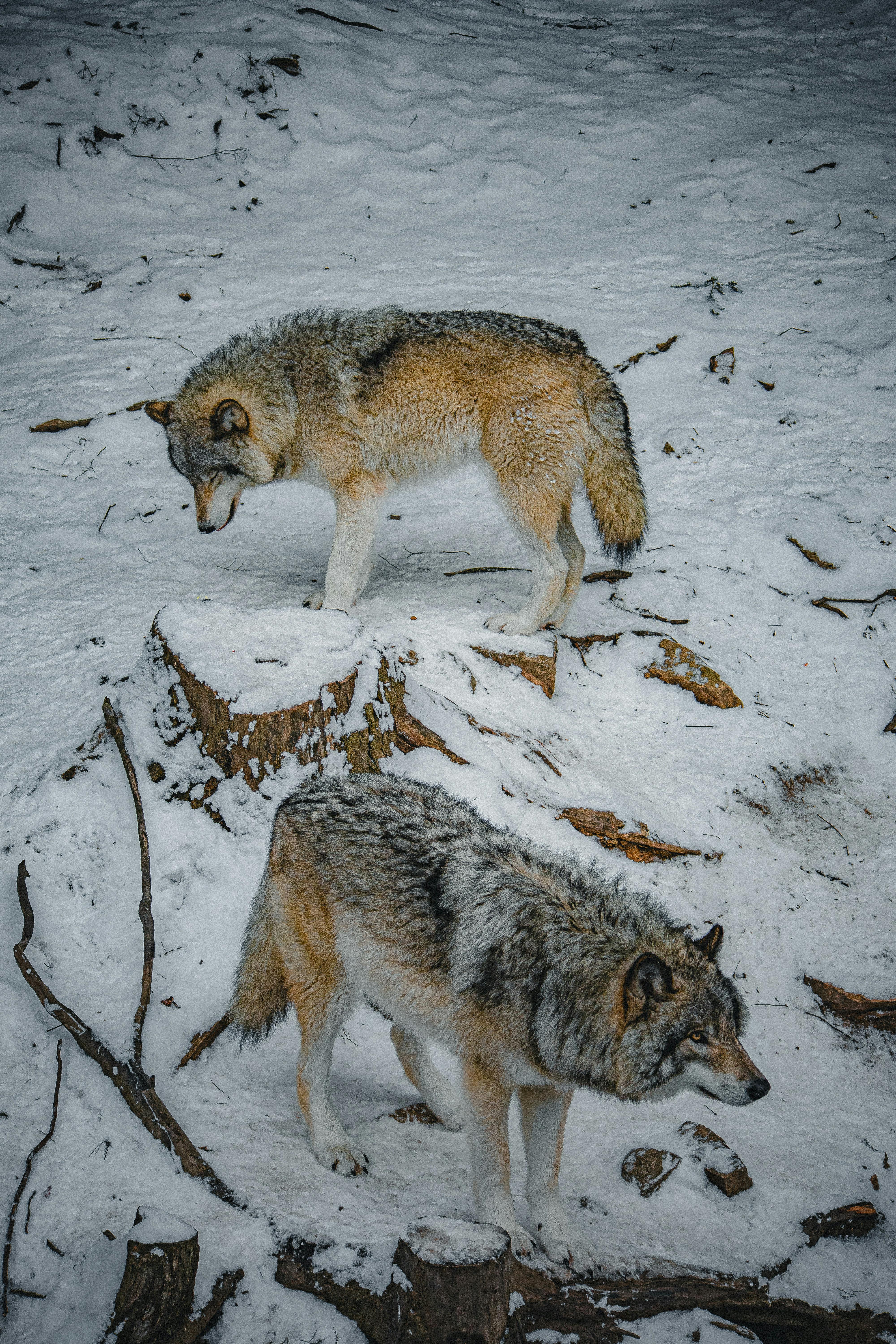
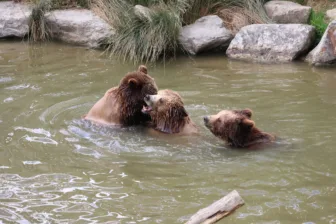
Only 6% of Colorado residents purchase hunting tags. Even though these folks make up only a tiny minority, state wildlife agencies have historically been in the pocket of the hunting industry. This means that state agencies have managed wildlife exclusively for hunting interests, with other management priorities taking a secondary role.
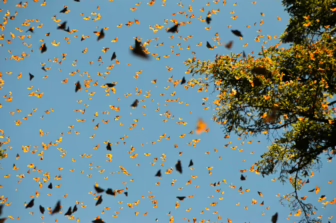
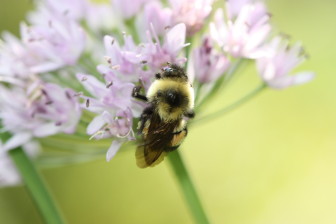
I have grown milkweed at commercial scale for 35 years. My family has been in the nursery business since 1959, and our farm in Tennessee sits in the middle of the eastern monarch migration corridor. I have watched this crisis unfold from the field, not from a research station or a policy desk, but from the rows where the plants come out of the ground.
Have you heard of permitting reform?
It’s one of the hottest topics in the United States Congress, and four influential Senators recently unveiled a new permitting reform bill aimed at speeding up industrial energy projects of all types, from oil and gas pipelines to wind and solar facilities. Permitting reform changes the rules and timelines that govern how large projects receive government approval.
The decision to rescind the regulatory definition of “harm” under the Endangered Species Act (ESA) could enable extractive industries to destroy or modify the habitat of imperiled plants and animals — the places they need to feed, shelter, raise their young — even if it results in their death or injury.
Seven former leaders of the U.S. Fish and Wildlife Service and NOAA Fisheries have sent a letter to Interior Secretary Douglas Burgum and Commerce Secretary Howard Lutnick urging the administration to withdraw its recent rollback of the Endangered Species Act’s definition of “harm.”
Seven former officials from Republican and Democratic administrations oppose action that would strip habitat destruction from the law’s definition of harm.
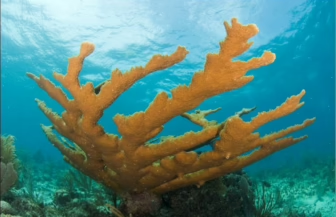
From 3-inch fireworms to 6-foot nurse sharks, these reefs are alive.
That statement is subjectively true, but what does it mean for a reef to be alive in today’s world?
Throughout my career as a conservationist, I’ve often been asked some version of the same question:
“Where do you find the motivation? How do you keep from losing hope?”
The Endangered Species Coalition is a non-profit organization and relies on the support of grassroots donors. Please make a tax-deductible gift today to allow us to continue organizing and mobilizing for endangered species.