The decision to rescind the regulatory definition of “harm” under the Endangered Species Act (ESA) could enable extractive industries to destroy or modify the habitat of imperiled plants and animals — the places they need to feed, shelter, raise their young — even if it results in their death or injury.
Seven former leaders of the U.S. Fish and Wildlife Service and NOAA Fisheries have sent a letter to Interior Secretary Douglas Burgum and Commerce Secretary Howard Lutnick urging the administration to withdraw its recent rollback of the Endangered Species Act’s definition of “harm.”
Following a very difficult selection process by the International Child Art Foundation, semifinalists in the 2015 Saving Endangered Species Youth Art Contest were announced today.
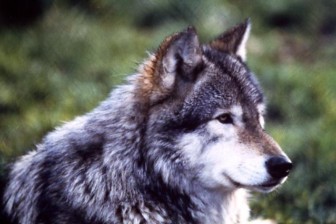
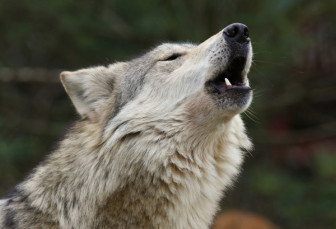
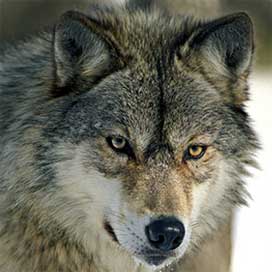
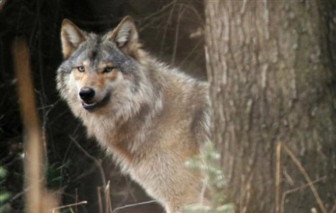
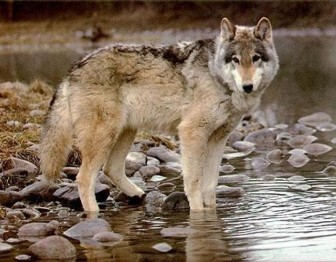
Maggie Howell is the Executive Director of the Wolf Conservation Center, an Endangered Species Coalition member organization. In this interview with Zoe Helene, she talks about what endangered wolves sacrifice in captivity, the threat they face from hunters and ranchers in the wild, and her love for the lobo.
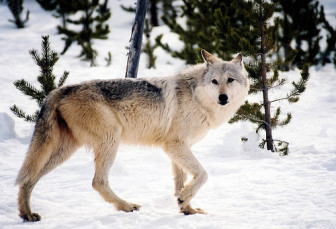
This week, more than 50 scientists, representatives of 5 Native American tribes, 24 business leaders, and 82 organizations sent letters to Members Congress asking them to oppose legislation that seeks to remove federal protections for gray wolves.
The U.S. Fish & Wildlife Service confirmed today in a press release that the wolf killed late last year in Utah was the Grand Canyon wolf that had been named Echo.
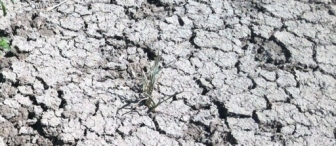
The severe drought afflicting much of the West is being used as a smokescreen by some in Congress to undermine critical environmental and wildlife laws including the Endangered Species Act. This past summer and spring, the House of Representatives and Senate passed bills designed to help affected communities with drought relief. Since then, they have not be able to find common ground.
A group of respected scientists recently alerted the U.S. Fish & Wildlife Service (FWS) that the state of Wisconsin is inaccurately reporting the impacts of aggressive hunting and trapping seasons, poaching, and other factors leading to wolf mortality, leaving the FWS unable to accurately detect what could be a substantial decline in wolves in the Western Great Lakes.
The Endangered Species Coalition is a non-profit organization and relies on the support of grassroots donors. Please make a tax-deductible gift today to allow us to continue organizing and mobilizing for endangered species.