
There is something mesmerizing about fireflies.
When my children were young, we would sit in our tiny backyard in Washington, D.C., at dusk and wait for the twinkling lights to appear. The slow-flying insects were once so plentiful that they would land on us, flashing from our heads and hands before lifting off in search of a mate more their size.
This year, I watched and waited. But what had once been a dazzling show had become just a few brave blips in the darkness.
Perhaps you have noticed it too.
For generations, fireflies have turned ordinary summer evenings into something magical. Their tiny flashes drift through backyards, fields, forests, and wetlands, creating a natural wonder cherished around the world. For many of us, they are woven into childhood memories, symbols of warm nights, healthy landscapes, and the simple joy of being outside after sunset.
But today, that familiar glow is under threat.
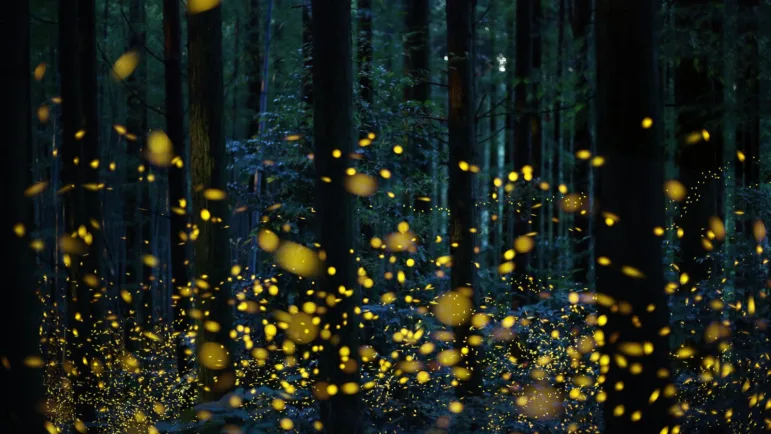
The United States is home to more than 100 species of fireflies. A landmark 2021 assessment examined 132 firefly species in the United States and Canada and found that at least 18 – 14% of those evaluated, were threatened with extinction. More than half could not be fully assessed because scientists lacked sufficient information, meaning the true number at risk may be considerably higher.
Scientists have identified several major threats: habitat loss, artificial light at night, pesticide use, drought, sea-level rise, and other effects of climate change.
A Firefly on the Brink
Among the species facing the greatest danger is the Bethany Beach firefly, Photuris bethaniensis.
Only about half an inch long, this extraordinary beetle has a distinctive dark marking on its head and communicates through a recognizable pair of green flashes. It depends on low-lying freshwater wetlands nestled between coastal dunes; rare habitats found along portions of the Atlantic Coast.
In September 2024, the U.S. Fish and Wildlife Service proposed protecting the Bethany Beach firefly as endangered under the Endangered Species Act. It was the first proposal to list a firefly under the law.
That proposal followed years of warnings. The species had already been categorized as Critically Endangered, and a petition seeking federal protection was submitted in 2019. Its remaining habitat is threatened by coastal development, artificial lighting, groundwater changes, rising seas, severe storms, and saltwater intrusion.
The Bethany Beach firefly’s struggle shows why the Endangered Species Act matters. The ESA gives scientists, communities, and wildlife agencies a way to protect species before they disappear forever. Decisions about imperiled wildlife must continue to be guided by evidence—not politics—and must protect both species and the habitats they need to survive.
Why Are Fireflies Disappearing?
Habitat loss is another major threat. Fireflies need healthy natural spaces throughout their life cycle, not only during the brief weeks when we see adults flashing through the air. Depending on the species, they may rely on wetlands, meadows, forest edges, stream banks, damp soil, and layers of fallen leaves for food and shelter.
When those places are paved over, drained, intensively mowed, cleared, or fragmented, fireflies lose the conditions they need to survive.
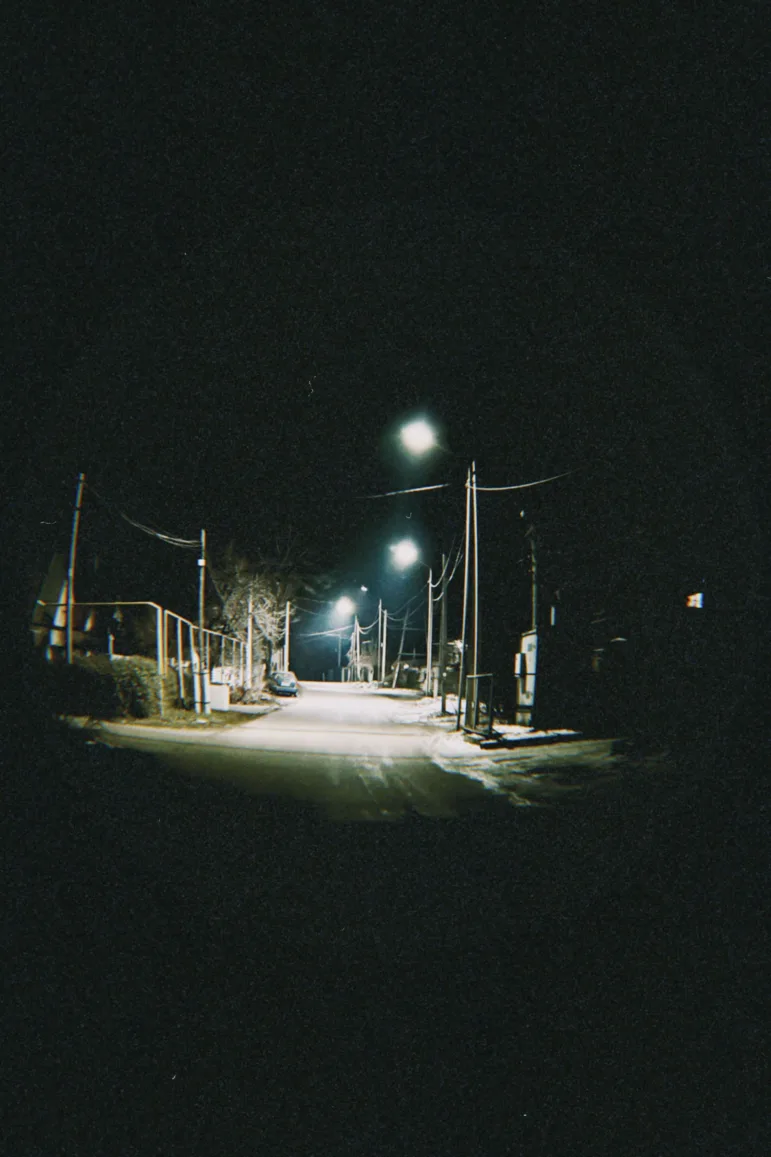
Artificial light at night is one of the most serious problems.
Fireflies rely on bioluminescent flashes to communicate and find mates. Each species has its own pattern of light. When yards, streets, parking lots, and buildings are illuminated throughout the night, those delicate signals can be obscured. A landscape once dark enough for fireflies to find one another can become flooded with porch lights, floodlights, and the glow of nearby development.
Habitat loss is another major threat. Fireflies need healthy natural spaces throughout their life cycle, not only during the brief weeks when we see adults flashing through the air. Depending on the species, they may rely on wetlands, meadows, forest edges, stream banks, damp soil, and layers of fallen leaves for food and shelter.
When those places are paved over, drained, intensively mowed, cleared, or fragmented, fireflies lose the conditions they need to survive.
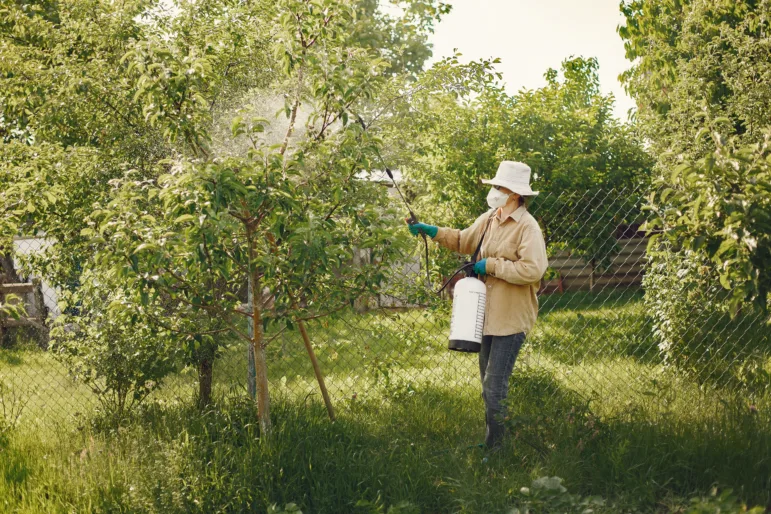
Pesticides can also harm fireflies directly or kill the slugs, snails, worms, and other small creatures eaten by many firefly larvae. Even when the damage is not immediately visible, widespread chemical use can weaken the larger web of life on which fireflies depend.
Climate change makes each of these pressures more severe. Coastal species such as the Bethany Beach firefly are especially vulnerable as rising seas, stronger storms, shifting rainfall, drought, and saltwater intrusion alter their limited wetland habitat.
We Can Help Keep the Lights Shining
The decline of fireflies is serious, but it is not inevitable. Actions taken at home and in our communities can make a meaningful difference.
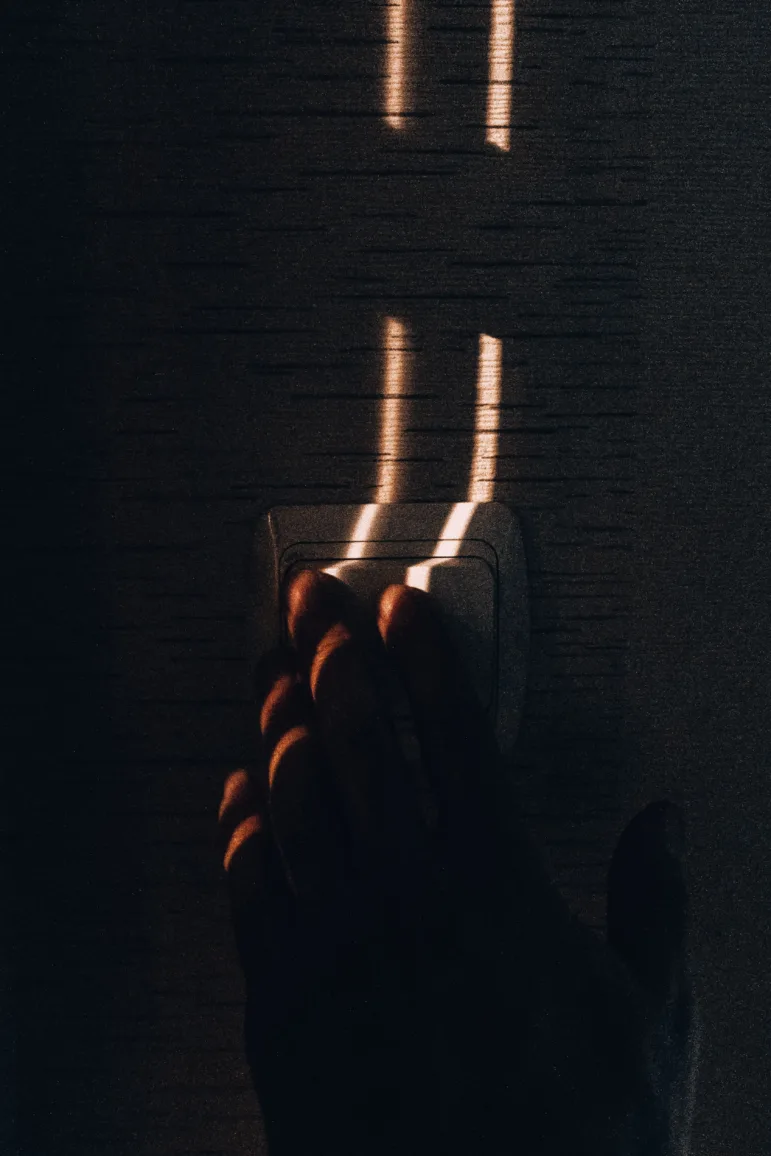
Turn off unnecessary outdoor lights, especially during the summer mating season. Use motion sensors, timers, shields, or dim, warm-colored bulbs where lighting is needed for safety.
Allow part of your yard or community green space to remain a little wild. Native plants, taller grasses, damp areas, fallen leaves, and undisturbed soil can provide shelter for fireflies and the small organisms they eat.
Avoid pesticides whenever possible, particularly broad-spectrum insecticides that kill beneficial insects along with unwanted ones.
Protect wetlands, meadows, forests, and other natural areas from unnecessary development. For species with extremely limited ranges, saving even a small patch of habitat can be critical.


And support strong, science-based implementation of the Endangered Species Act. For more than 50 years, the ESA has given America’s most vulnerable wildlife a fighting chance by protecting species and the places they call home.
Fireflies are more than a beautiful part of summer. They are living reminders of the richness of the natural world, the connections among species and habitats, and how easily something familiar can slip away when we fail to notice its decline.
Future generations deserve more than photographs and videos of fireflies. They deserve the experience of standing outside on a warm summer evening and watching the darkness come alive.
Their glow has not vanished yet.
Together, we can help keep it shining.