
A guest blog by Heather Norwood
I have grown milkweed at commercial scale for 35 years. My family has been in the nursery business since 1959, and our farm in Tennessee sits in the middle of the eastern monarch migration corridor. I have watched this crisis unfold from the field, not from a research station or a policy desk, but from the rows where the plants come out of the ground.
What I can tell you is that the monarch decline is not a mystery. The cause is visible to anyone growing the plants monarchs depend on. And some of the well-intentioned efforts to fix it are creating problems of their own.
What the Crisis Looks Like From the Supply Side
Most public conversation about monarchs focuses on population numbers, habitat maps, and policy debates. Those conversations matter. But they miss what the crisis looks like at ground level, from someone whose livelihood depends on growing the one plant monarchs cannot survive without.
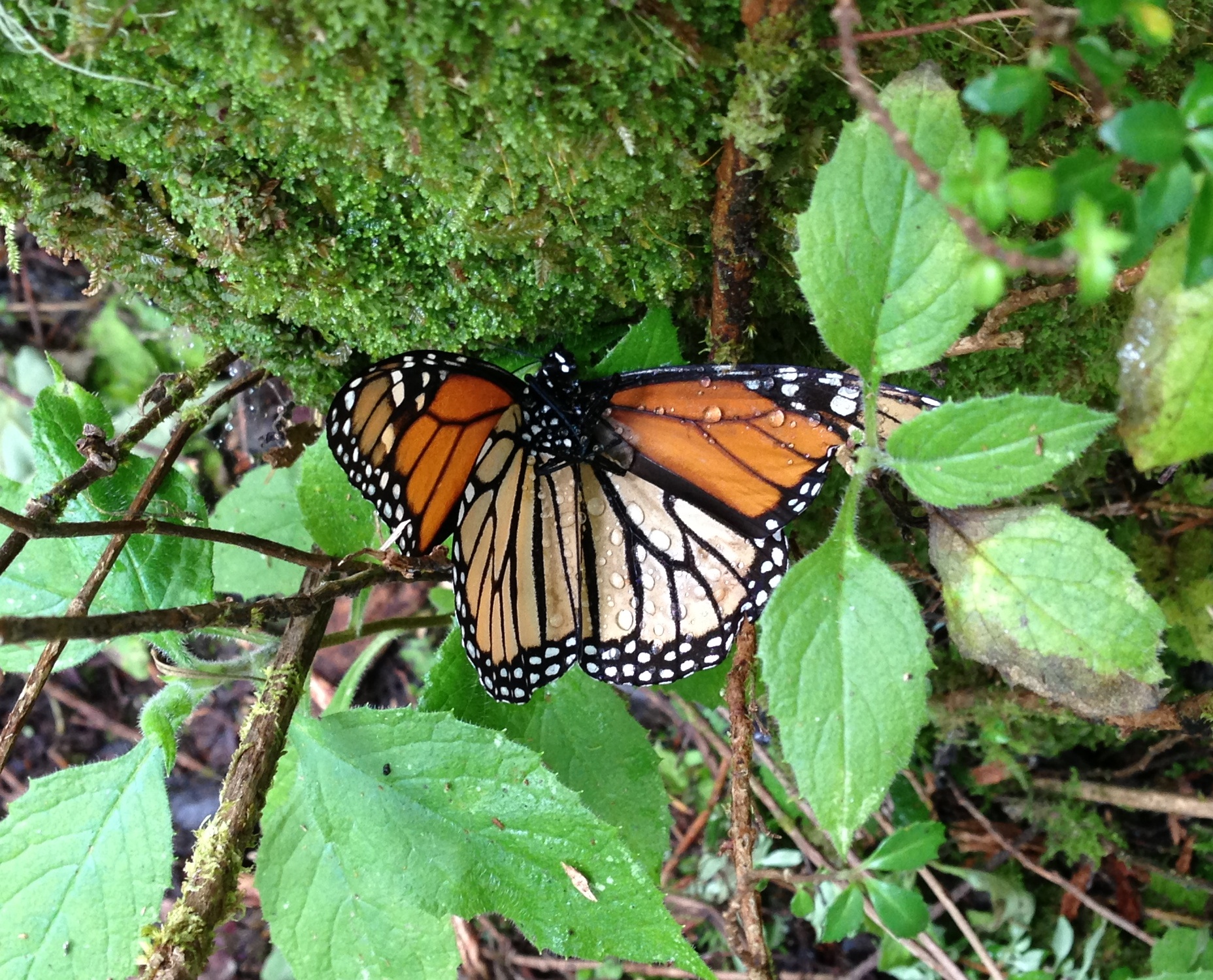
Milkweed (Asclepias) is the only genus of plants that monarch butterflies can reproduce on. Females lay their eggs exclusively on milkweed leaves. The caterpillars feed exclusively on those leaves, absorbing the plant’s naturally occurring cardiac glycosides as a chemical defense against predators. Without milkweed, there is no monarch lifecycle. No eggs, no caterpillars, no chrysalis, no migration.
The Xerces Society for Invertebrate Conservation has documented a decline exceeding 99 percent in the western monarch population since the 1980s. Eastern populations have also dropped significantly. The primary drivers are habitat loss and pesticide exposure, and both trace directly back to the disappearance of milkweed from the American landscape.
I have watched it happen from our farm. When I started growing, milkweed was common along fencerows, roadside ditches, and field margins across the Southeast. It grew in the spaces nobody managed, which is exactly where native plants belong. Over three decades, agricultural herbicides have eliminated it from most of those spaces. Wind carries herbicides and insecticides from treated fields into surrounding areas, killing milkweed that was never the target. Roadside mowing and spraying programs finished the job along highway corridors.
The plants did not leave because the land could not support them. They left because we poisoned the edges where they grew.
What Happens When People Try to Help
Something shifted in the last decade on the demand side. Most of my milkweed orders used to come from restoration projects, government contracts, and conservation programs. Now a significant share comes from individual homeowners who learned about the monarch crisis and want to do something about it.
That impulse is good. But good intentions do not always lead to good results.
The most common mistake I see is over-care. People buy milkweed and treat it like the ornamental plants they are accustomed to: frequent watering, fertilizer, pest spray, heavy mulch. Milkweed does not want any of that. It evolved in roadside ditches and open meadows with no human input. Over-watering is the fastest way to kill it. Fertilizer pushes leaf growth at the expense of root development. And applying pesticide to a plant whose entire purpose is to support insects defeats the point entirely.
The second mistake is a mismatch between species and site. I grow two primary milkweed species at our nursery: butterfly milkweed (Asclepias tuberosa) and swamp milkweed (Asclepias incarnata). They have different requirements. Butterfly milkweed needs well-drained soil and full sun. It does poorly in wet ground. Swamp milkweed thrives in moist to wet conditions and handles partial shade. Planting either one in the wrong spot leads to failure, and the homeowner concludes that milkweed is difficult to grow.
It is not difficult to grow. It needs to match the conditions it evolved in. This is true of all native plants, but it matters especially with milkweed because every failed planting is a patch of monarch habitat that does not get established.
What Is Actually Working
I have seen a few things make a real difference, both at the policy level and in individual yards.
At the state level, Tennessee’s Department of Transportation reversed its roadside spraying program. TDOT now distributes free milkweed seeds to homeowners and has partnered with the Tennessee Environmental Council to plant wildflowers in highway medians instead of spraying them. It is one of the more effective state responses I have seen because it addresses the problem at its source: it puts milkweed back in the corridors where monarchs actually travel.
At the homeowner level, the people who succeed tend to do three things.
They match the species to the site. Dry, sunny yards get Asclepias tuberosa. Wetter areas get Asclepias incarnata. Both support monarchs. Both are native to the eastern United States. Choosing between them is a question of soil and moisture, not personal preference.
They leave the plants alone after the first season. Milkweed establishes best when you water it during the first growing season and then step back. The roots need to go deep on their own terms. Once established, the plant sustains itself on rainfall and returns stronger each year.
They plant in fall. Roots establish during the winter dormancy period, and by spring the plant has a head start on growth and flowering. In my experience, fall-planted milkweed outperforms spring-planted stock in nearly every setting.
I have put together a detailed guide to growing milkweed that covers its role at each stage of the monarch lifecycle and what three decades of growing it at scale has taught me about getting it established.
Why This Goes Beyond Monarchs
Monarchs get the public’s attention because their decline is visible and dramatic. A migration that once moved hundreds of millions of butterflies across the continent has been reduced to a fraction of what it was. But the conditions that destroyed monarch habitat are the same conditions threatening pollinators across the board. Every fruit and berry we eat depends on pollination. The same herbicides eliminating milkweed from field margins are eliminating the native plants that bees, birds, and bats rely on for food and shelter. Monarchs are the indicator species. What is happening to them is happening to the entire pollinator system, just less visibly.
The Endangered Species Coalition’s protecting monarch resources provide context on the monarch’s conservation status and the advocacy work underway at the policy level. From where I stand, the most direct action any individual can take is to put milkweed back in the ground. Not in a container on a patio. In the ground, in the right conditions, with the right species for your region. And then step back and let it do what it has done for thousands of years before we started managing it out of existence.
The eastern migration corridor runs through backyards, roadsides, and field margins from Texas to Maine. Every patch of milkweed in that corridor is a link in the chain. The more links we restore, the better the odds that the monarchs passing through have what they need to complete the journey.