Wildlife

Bright orange and yellow flames engulf dry twigs and branches, creating an intense wildfire scene with thick smoke and visible heat.
Endangered Species Act

Our House is On Fire

Every day we see more examples of wildlife being hurt and killed by climate change.  In Australia, more than a billion native species have burned to death, including kangaroos and koalas. Fires in the rain forests of Malaysia and Brazil contribute to global warming and kill endangered orangutans and giant armadillos. Plants and animals are taking the horrific brunt of human excess and greed. 

Sometimes I feel alone in my understanding of how terrible this crisis really is and how urgently we must act.  People often seem apathetic and behave as though someone else will solve the problem. 

But I am not alone. We are not alone. 

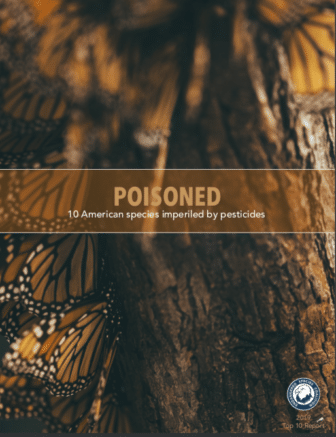
Cover image for a report titled POISONED: 10 American species imperiled by pesticides, featuring a close-up of monarch butterflies on a tree trunk, with the Center for Biological Diversity logo at the bottom.
Endangered Species Act

Poisoned: New Report Highlights 10 Species Threatened by Pesticides

Chemical pesticides applied to lawns, gardens, and industrial agriculture operations are a major threat to imperiled wildlife, according to a new report released today. “Poisoned: 10 American Species Imperiled by Pesticides” details how domestic and commercial pesticides—including herbicides, insecticides, and rodenticides—are contributing to the decline of many common and lesser known species of wildlife.
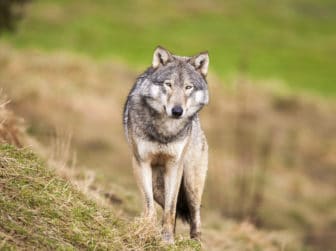
A gray wolf stands alert on a grassy slope, looking directly at the camera, with a blurred background of green and brown landscape.
Wildlife

1.8 Million Americans Speak Out Against Stripping Federal Protections from Wolves 

Almost two million Americans stated their opposition to the Trump administration’s proposal to strip endangered species protections from gray wolves in a comment period that closed today. This is one of the largest numbers of comments ever submitted on a federal decision involving endangered species and reflects broad dissatisfaction with the Trump administration’s politically driven move to turn wolf management over to state agencies across most of the lower 48 states.