Endangered Species Coalition

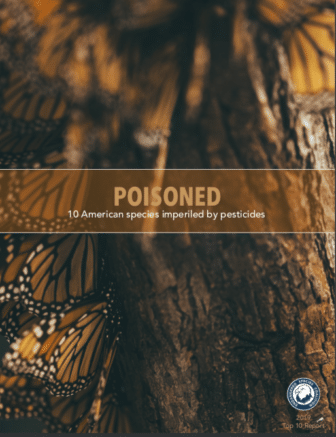
Cover image for a report titled POISONED: 10 American species imperiled by pesticides, featuring a close-up of monarch butterflies on a tree trunk, with the Center for Biological Diversity logo at the bottom.
Endangered Species Act

Poisoned: New Report Highlights 10 Species Threatened by Pesticides

Chemical pesticides applied to lawns, gardens, and industrial agriculture operations are a major threat to imperiled wildlife, according to a new report released today. “Poisoned: 10 American Species Imperiled by Pesticides” details how domestic and commercial pesticides—including herbicides, insecticides, and rodenticides—are contributing to the decline of many common and lesser known species of wildlife.
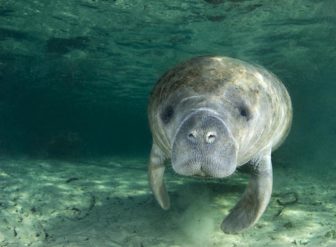
A manatee swims underwater near the sandy bottom, facing the camera with its flippers gently outstretched. Sunlight filters through the clear, greenish water above.
Endangered Species Act

Trump Administration Finalizes Rules to Weaken Endangered Species Act, Protections for Imperiled Wildlife

Just weeks after the release of an earth-shaking global assessment foretelling the extinction of one million species, the Trump Administration today published its final Endangered Species Act regulations, which have been widely condemned by conservationists and scientists in the United States. Approved by embattled Secretary of Interior David Bernhardt, these regulations will have real-world negative impacts for the country’s most imperiled plants and wildlife, such as the monarch butterfly, sea turtles, manatees, wolverines, and hundreds more. Some of these species were profiled in a recent report by several conservation groups, led by the Endangered Species Coalition — Extinction Plan: Ten Species Imperiled by the Trump Administration.
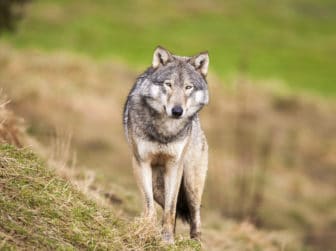
A gray wolf stands alert on a grassy slope, looking directly at the camera, with a blurred background of green and brown landscape.
Uncategorized

1.8 Million Americans Speak Out Against Stripping Federal Protections from Wolves 

Almost two million Americans stated their opposition to the Trump administration’s proposal to strip endangered species protections from gray wolves in a comment period that closed today. This is one of the largest numbers of comments ever submitted on a federal decision involving endangered species and reflects broad dissatisfaction with the Trump administration’s politically driven move to turn wolf management over to state agencies across most of the lower 48 states. 
Four people stand and smile in front of a stage with a “National Endangered Species Day” presentation projected behind them. Other people in costumes are visible onstage. A podium labeled “Brentwood School” is at the left.
Uncategorized

Youth Innovators for Endangered Species Conservation

One of the most critical pieces in addressing endangerment of global species is to develop and apply innovative conservation solutions. Innovative solutions to the accelerating loss of species are rooted in creative, outside the box thinking – while still being practical and attainable when applied to conservation problems in the real world. The recent IPBES report on biodiversity indicated that “transformative change” is needed to address the crisis of biodiversity loss. Innovative conservation solutions are just that: a change in the way we think about and approach conservation.