The Southeast feels alive with motion. In the Everglades, one of America’s most unique and endangered habitats, slow rivers of water curve through cypress swamps. Warm ocean waters cradle the rainforests of the sea, our coral reefs, and critically endangered pine forests provide roosts for threatened and endangered wildlife. This is a region shaped by water, heat, hurricanes, and resilience.
As the United States approaches 250 years of independence, the Southeast shows us two truths at once. It shows what care can save. And it shows what neglect can erase.
This region holds some of the most biologically rich landscapes in North America. It is home to species found nowhere else on Earth. It is also one of the fastest-growing regions in the country, where development, pollution, and climate change press hard against the places wildlife depends on.
Every river, reef, forest, and coastline here is part of a larger story about who we are and what we choose to protect.
A Region Where Life Thrives and Struggles
From Florida’s crystal springs to the coral reefs of the Florida Keys, the Southeast supports an astonishing range of life.
But beauty does not mean safety.
Wetlands are drained. Forests are cleared. Waterways carry fertilizer, sewage, and chemicals. Warmer oceans bleach coral. Rising seas flood nesting beaches and coastal communities alike.
The future of the Southeast’s wildlife depends on whether upholding protections afforded under the Endangered Species Act can move as fast as the current administration hopes to dismantle it. 99% of species under the ESA have seen their numbers multiply and rise towards sustainably healthy populations, proving it works, and now more than ever, it needs to be upheld and protected.
Holding On: Endangered and Threatened Species of the Southeast
West Indian Manatee
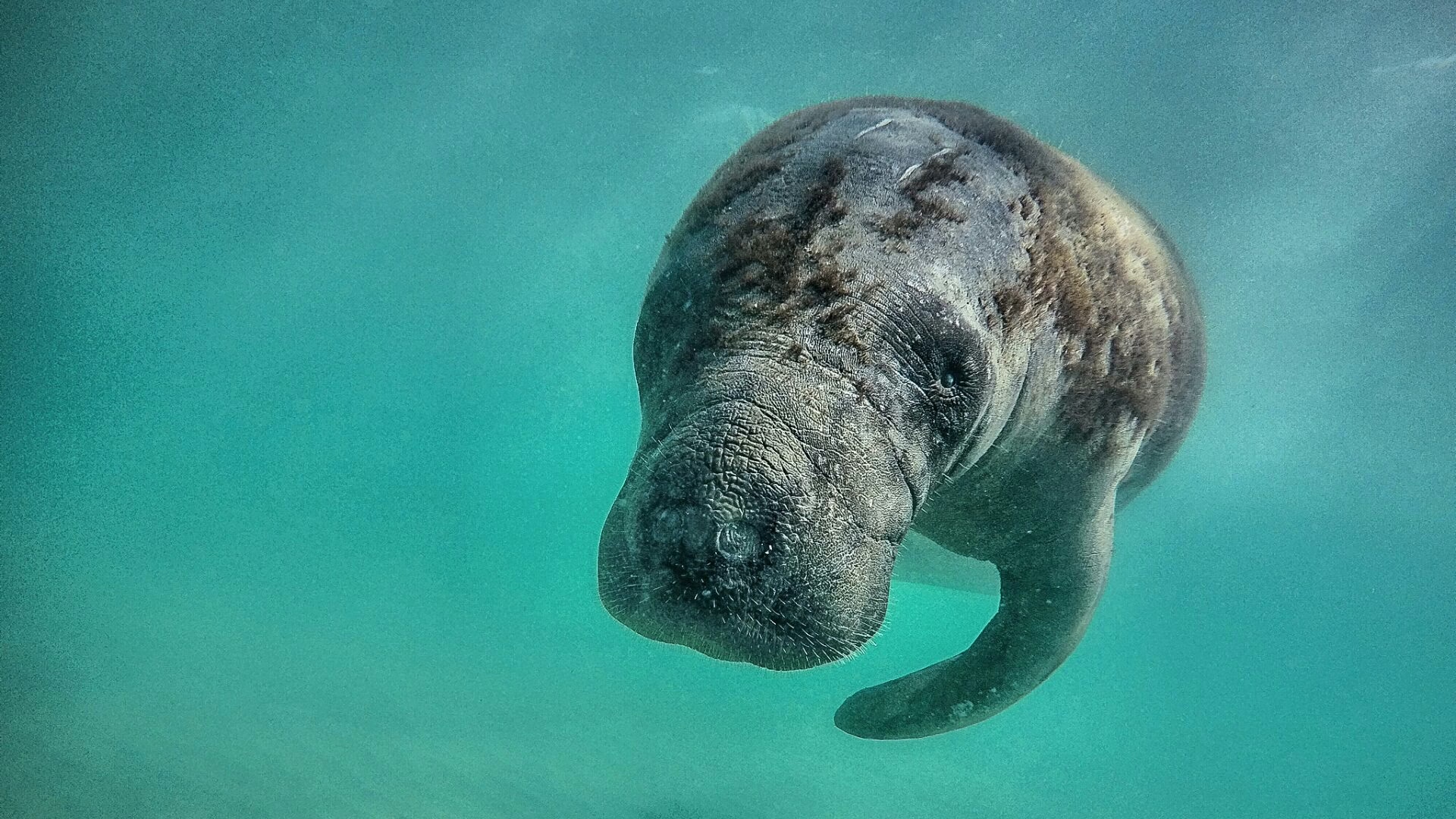
Manatees are gentle giants of warm coastal waters and inland springs. They move slowly, graze on seagrass, and rely on warm water to survive cold winters.
But manatees face danger every day. Boats strike them in crowded waterways. Pollution and algae blooms destroy the seagrass they need to eat. Development removes the natural springs that once offered refuge.
In recent years, mass starvation events have shown just how fragile their future has become. Protecting manatees means protecting clean water, healthy seagrass, and safe boating practices across Florida and the Gulf Coast.
Their survival depends on whether people choose to slow down, clean up, and care.
Bonneted Bat
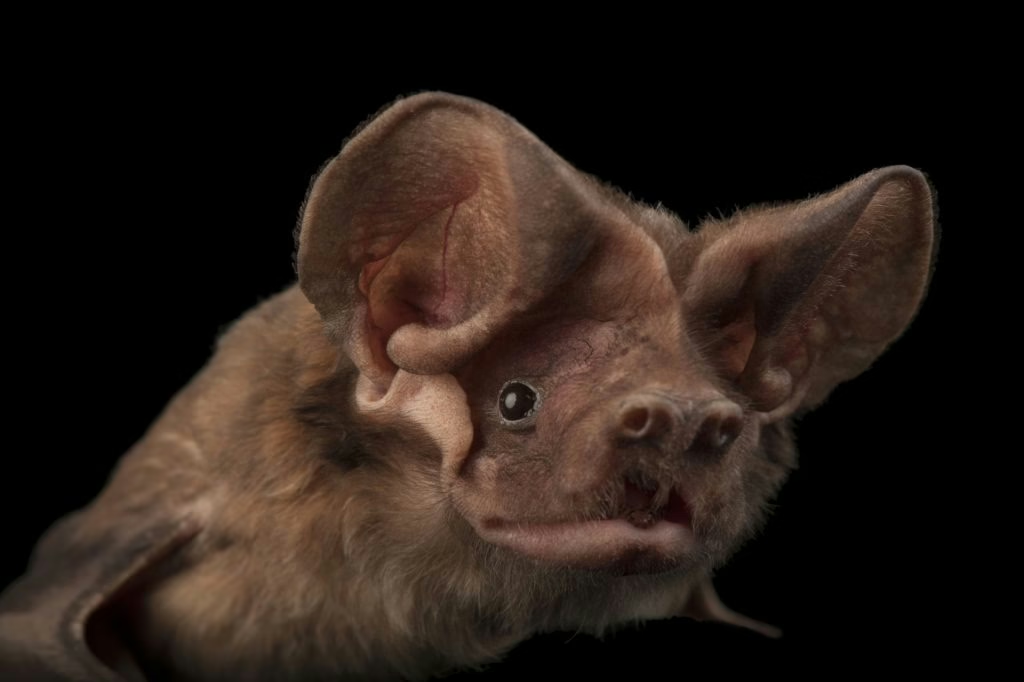
The Florida bonneted bat is the state’s only native bat species. It lives in pine forests, cypress swamps, and old trees with natural cavities. It hunts insects at night and helps keep ecosystems in balance.
But this bat is running out of places to live. Development clears old trees. Hurricanes destroy roosts. Forests are replaced by roads and buildings faster than bats can adapt.
Without strong protection for natural forests and old-growth trees, the Florida bonneted bat could disappear quietly, without most people ever knowing it was here.
Saving it means protecting forests not just for beauty, but for survival.
Florida Panther
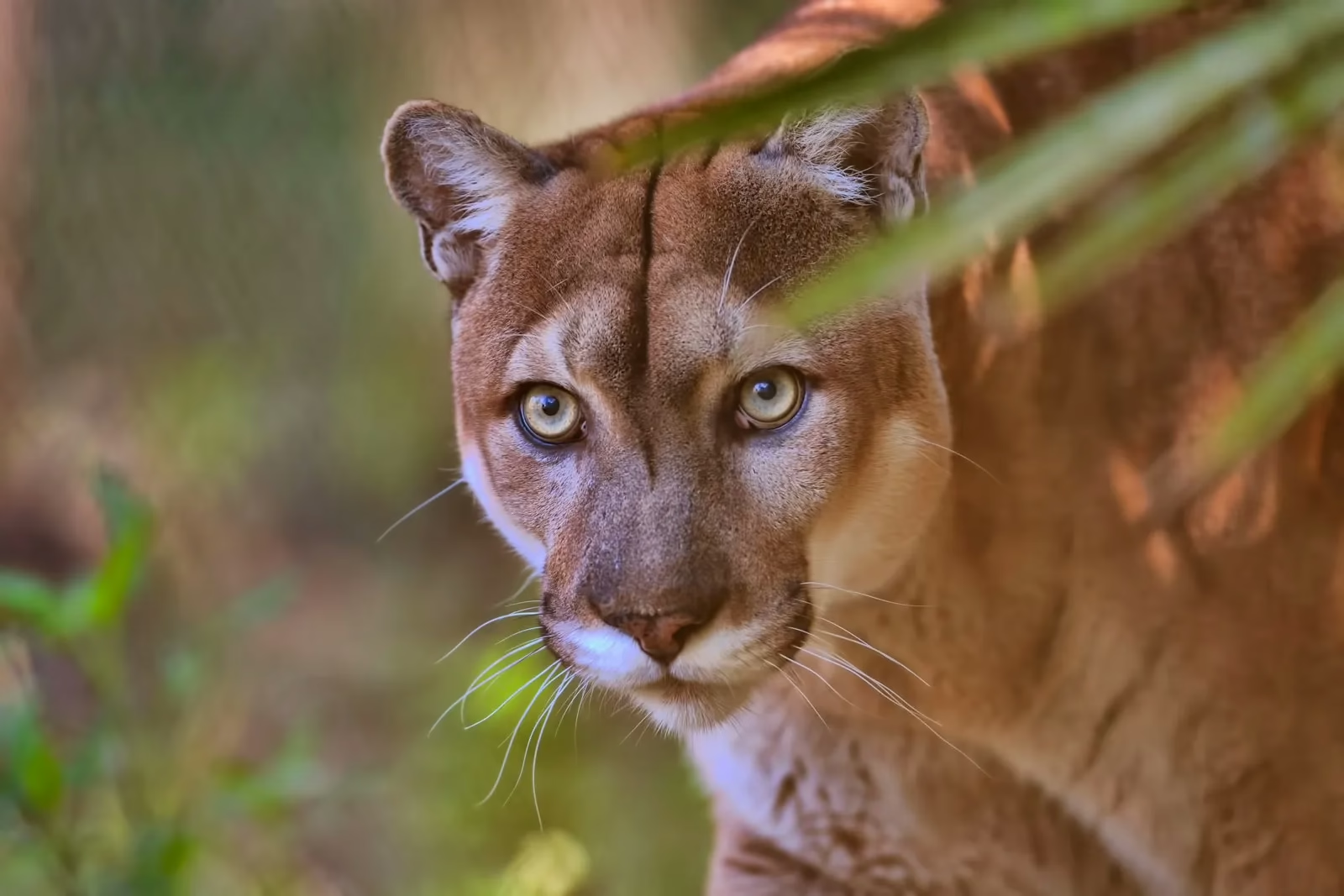
The Florida panther is one of America’s most powerful wildlife comeback stories and one of its most fragile.
By the 1970s, fewer than 30 panthers remained in the wild. Hunting, habitat loss, and roads had nearly erased them. Strong protections under the Endangered Species Act, along with habitat conservation and careful management, helped panther numbers slowly rise.
Today, they still face enormous threats. Highways cut through their territory. Development shrinks their hunting grounds. Limited genetic diversity weakens their population.
Every panther killed by a car, every acre of habitat lost, pushes them closer to the edge again. Their future depends on whether people are willing to make room for a wild cat that needs space to roam.
Elkhorn Coral
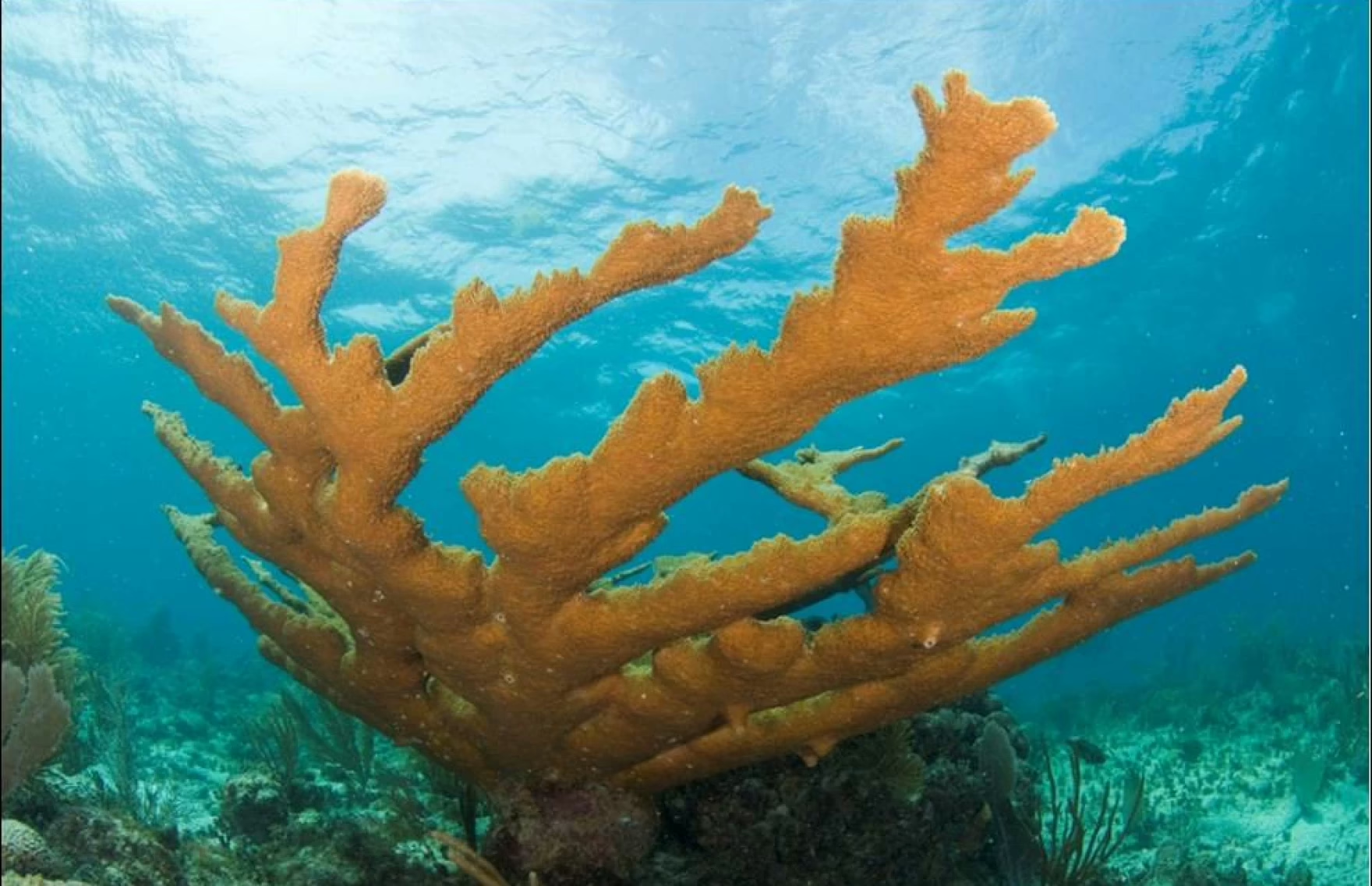
Elkhorn coral is a foundation species for Caribbean and Florida reef ecosystems. Its branching structure creates shelter for fish, crabs, and countless marine species. Healthy reefs protect coastlines from storms and support fishing and tourism.
But elkhorn coral is collapsing. Warmer oceans cause bleaching. Disease spreads more easily in stressed waters. Pollution weakens coral’s ability to recover.
When coral dies, entire ecosystems unravel. Fish disappear. Coastal protection weakens. Communities that depend on reefs lose both food and livelihood.
Saving coral means fighting climate change, reducing pollution, and protecting marine habitats before they reach a breaking point.
Species we've lost
The Southeast also carries the memory of a species that never got the chance to recover.
Caribbean Monk Seal
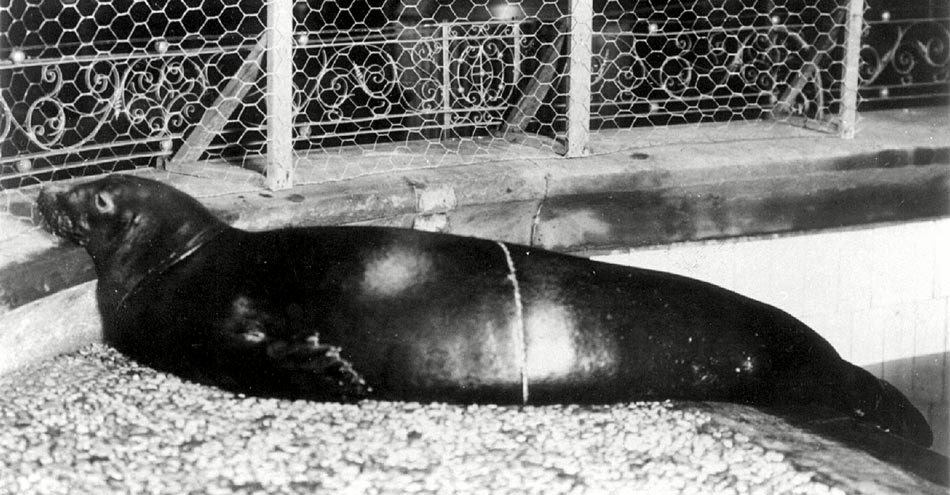
Caribbean monk seals once rested on beaches and swam in the warm waters of the Gulf of Mexico and Caribbean Sea. They were gentle, slow-moving, and easy targets for hunters.
They were killed for oil, meat, and skins. They were harassed and driven away from breeding sites. By the 1950s, the last confirmed sighting had been recorded.
In 2008, the Caribbean monk seal was officially declared extinct.
It vanished before strong wildlife protections existed. Its disappearance is a warning written in water. Once a species is gone, no apology, no law, and no technology can bring it back.
The Southeast shows how close recovery and extinction can be.
A panther saved by law. A seal lost before protection came. A manatee hanging on by the health of a single plant. A coral reef fading as oceans grow warmer. These stories are not separate. They are chapters in the same book.
As America celebrates its 250th year, the question is not only what we inherited. It is what we will leave behind.
Will the Southeast remain a place of warm waters and wild hearts? Or will it become a list of names that end in silence?
Strong laws like the Endangered Species Act work when they are defended. Communities make a difference when they speak up. Individuals matter when they choose care over convenience.
America’s threatened and endangered wildlife is part of America’s responsibility, and in the warm waters and wild forests of the Southeast, that responsibility is calling to us louder than ever.
Join the Movement
The future of the Endangered Species Act depends on all of us.
Sign up for our Action Network to stay connected, informed, and ready to act when the Endangered Species Act and the species it protects are under threat. When we act together, we win.