As the United States prepares to mark 250 years of independence this July, it is worth remembering that this land was never empty. Long before the first flag was raised, wildlife shaped every forest, shoreline, and river. Indigenous nations lived alongside bison, wolves, elk, whales, birds, and fish, guided by the rhythms of the natural world.
The Northeast is where America’s political story began. It is also where some of our earliest wildlife losses happened.
Today, this region carries both memory and responsibility. It holds the stories of endangered species that vanished due to the lack of legislation and the existence of powerful and successful laws like the Endangered Species Act.
A Living Landscape Under Pressure
From Maine’s rocky coast to New Jersey’s barrier islands, from the Adirondack forests to the tidal rivers of New England, the Northeast is one of the most densely populated regions in the country. Roads, cities, ports, and development now cover land that once held endless forests and wetlands. Yet threatened and endangered wildlife are still here. Not because survival is easy, but because life is resilient when given even a small chance, and because laws like the Endangered Species Act work.
Holding On: Species Still Fighting to Survive in the Northeast
North Atlantic Right Whale
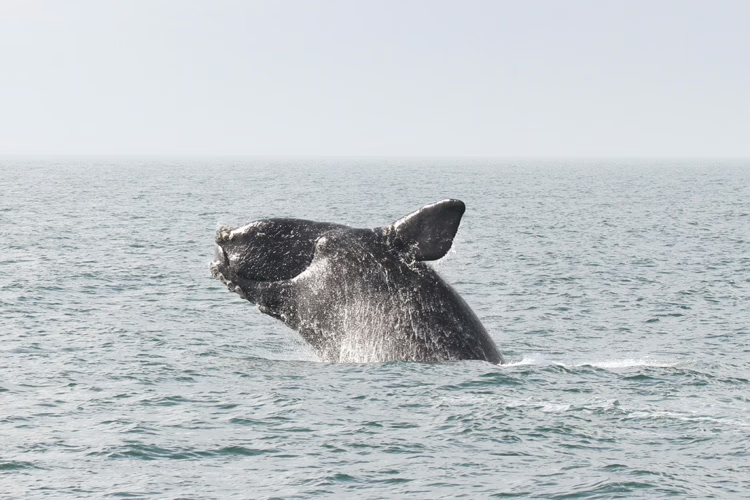
The North Atlantic right whale is one of the most endangered large whale species on Earth. Fewer than 350 remain.
Once hunted nearly to extinction because they were the “right” whales to kill, slow-moving and rich in oil, these whales now face new threats. Shipping lanes crisscross their migration routes. Fishing gear wraps around their bodies. Noise pollution disrupts communication. Climate change shifts the plankton they depend on.
Every year, these whales travel along the Eastern Seaboard, from Florida to New England and Canada, navigating a maze of human activity just to stay alive.
Their struggle reminds us that freedom for people must include space for wildlife to live, move, and thrive, and protections like the ESA must remain enforced.
Polar Bears in Arctic-linked Northeastern Waters
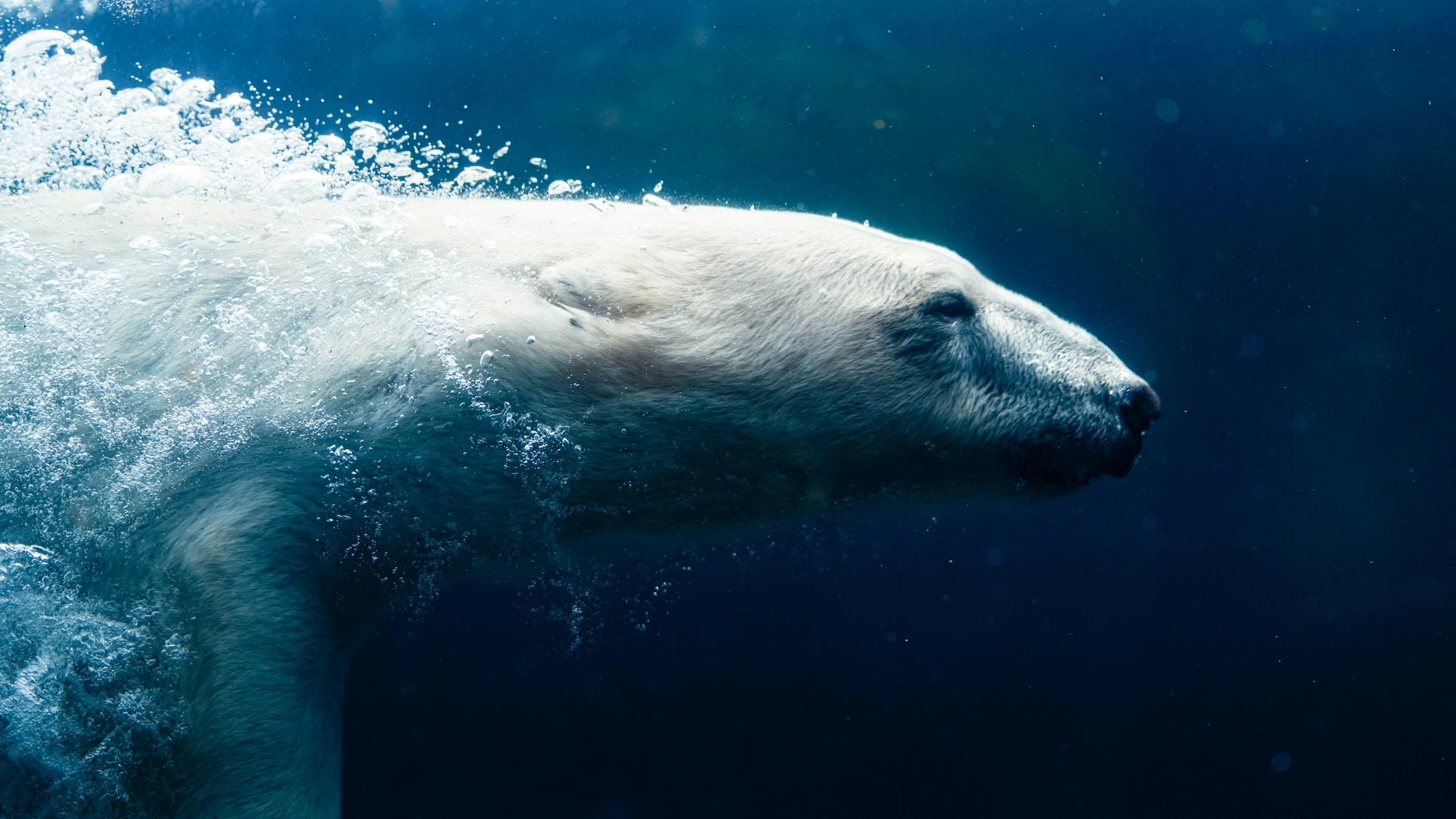
Polar bears are often associated with Alaska, but their survival is tied to the health of the Arctic and Atlantic waters that influence northeastern ecosystems. As sea ice melts earlier and forms later, polar bears lose access to hunting grounds that have sustained them for thousands of years.
Warming oceans affect fish populations, currents, and the balance of marine life along the East Coast. What happens in the Arctic does not stay in the Arctic. The Northeast feels the ripple effects of climate change in its waters, weather, and wildlife.
Protecting the endangered and threatened wildlife in the Northeast means protecting the planet’s climate systems that support life far beyond this region.
Piping Plover
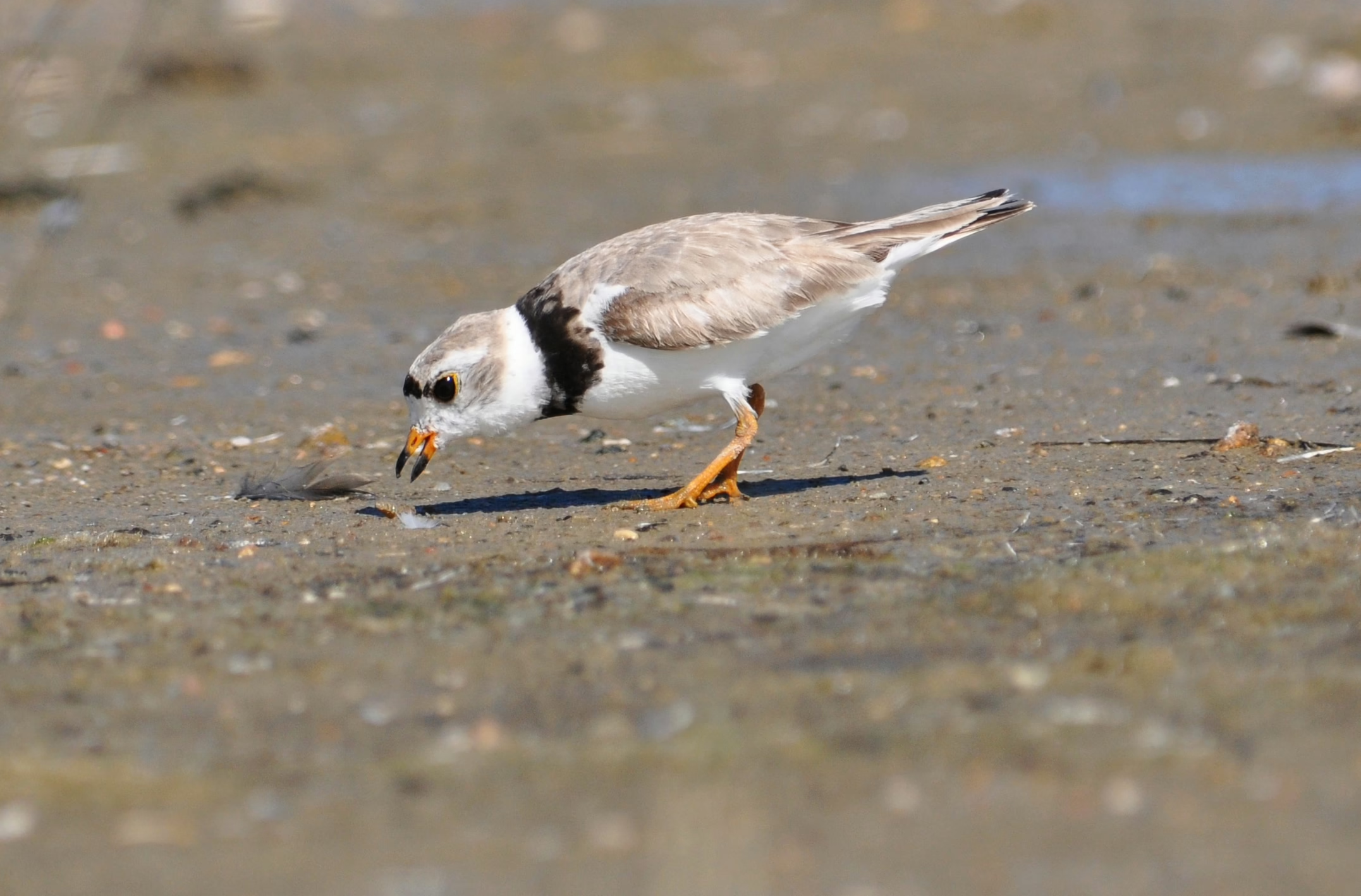
The piping plover is a small shorebird with pale feathers and a soft call. Once pushed to the edge of extinction by development and disturbance, piping plovers now nest on beaches from Maine to New Jersey. These birds need quiet stretches of sand to raise their chicks, but those same beaches are some of the most popular places for people.
Every summer, plovers and people share shrinking space. Fences, signs, volunteers, and community care give these birds a chance to survive.
Their presence proves that coexistence is possible when people choose respect over convenience, and coalition partners like the NYC Plover Project are working diligently to speak up for and ensure plovers remain protected by the Endangered Species Act locally.
Species we've lost
Passenger Pigeon
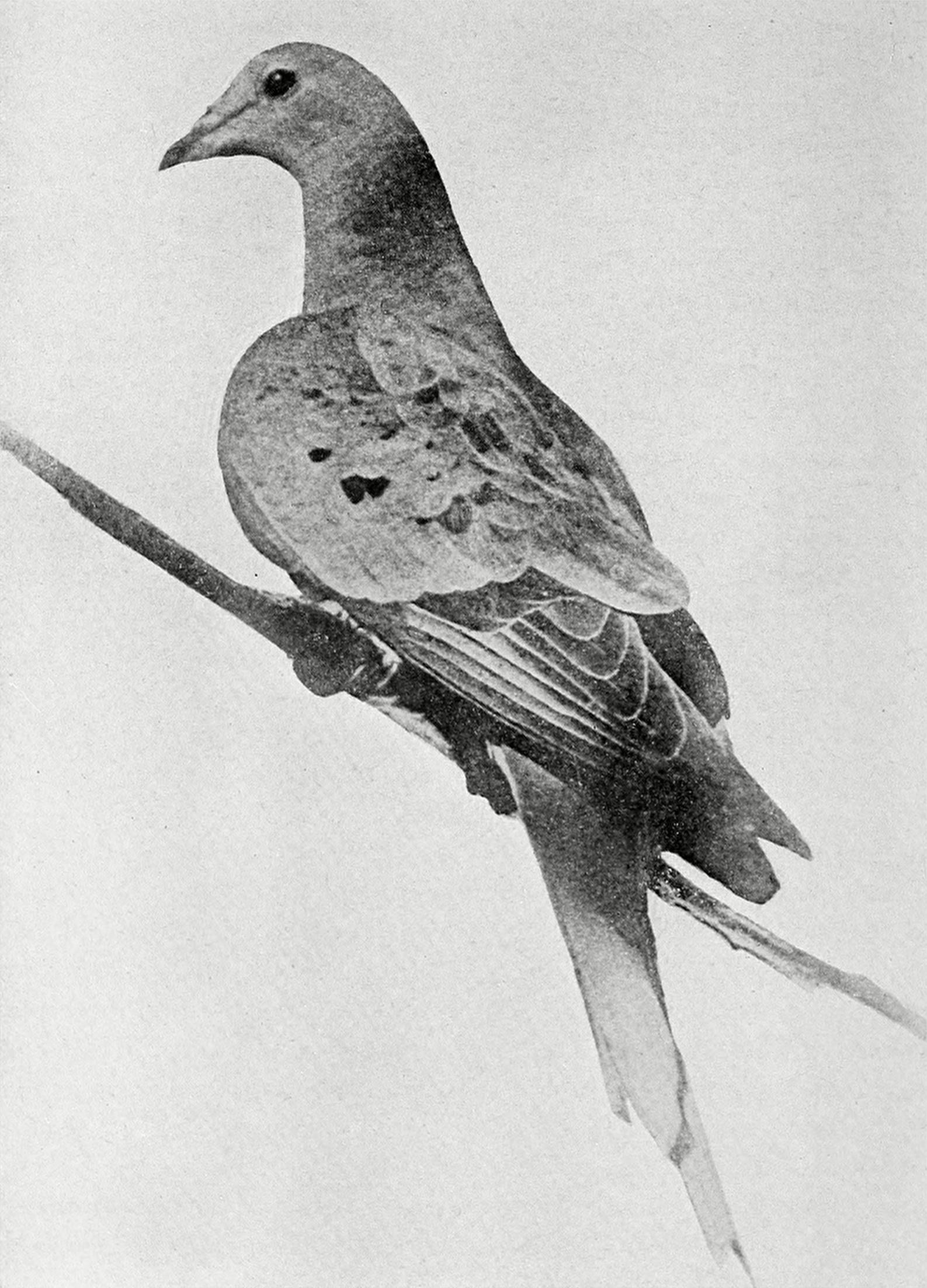
Once the most abundant bird in North America, passenger pigeons flew in flocks so massive they darkened the sky for hours. By 1914, the last one had died in captivity.
Heath Hen, also called Booming Bob
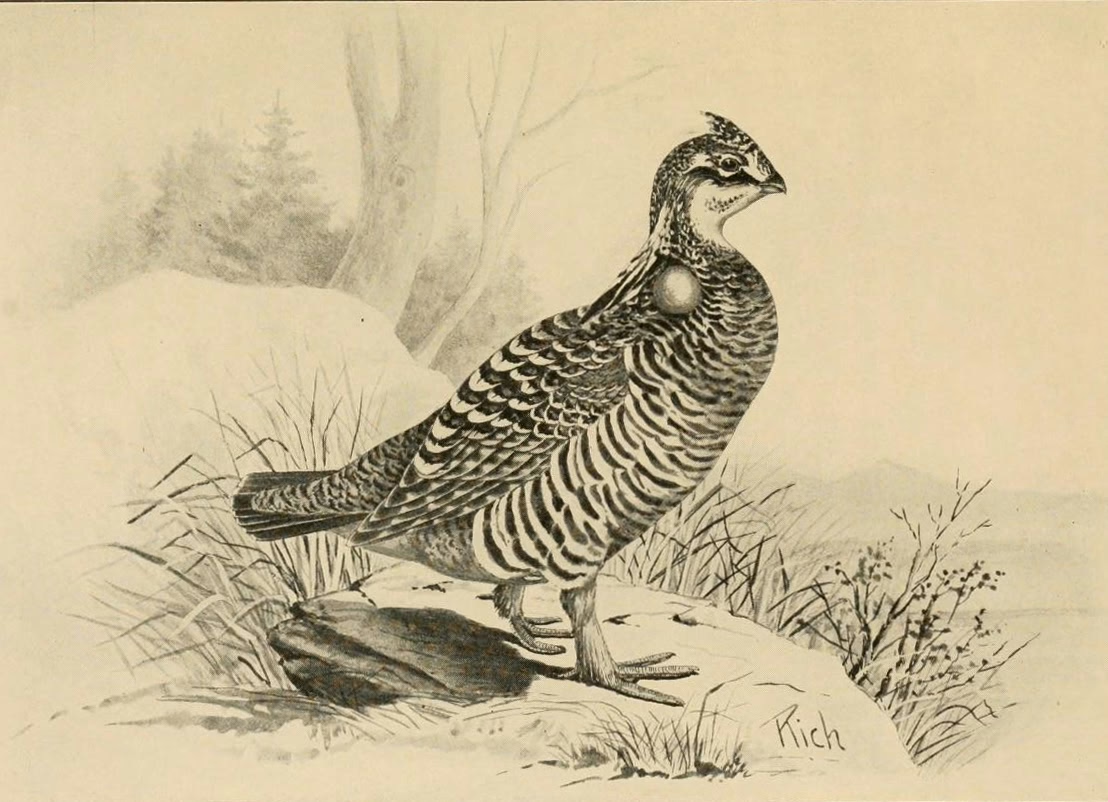
A prairie chicken of the East, this bird vanished by 1932 as farmland, hunting, and habitat loss erased its world.
Ivory-billed Woodpecker
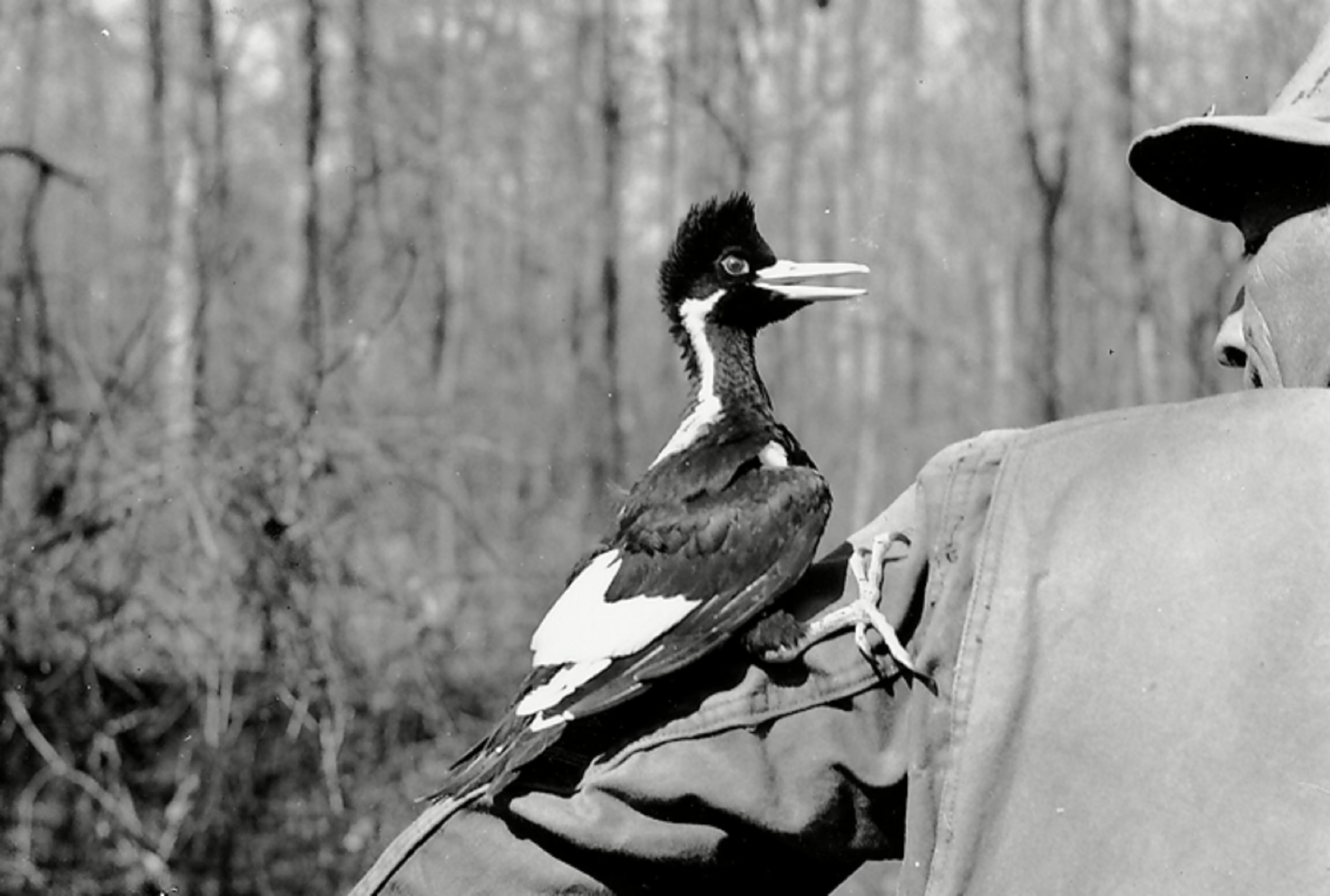
Driven to near extinction by logging and habitat destruction, it is now considered likely lost.
Eastern Elk
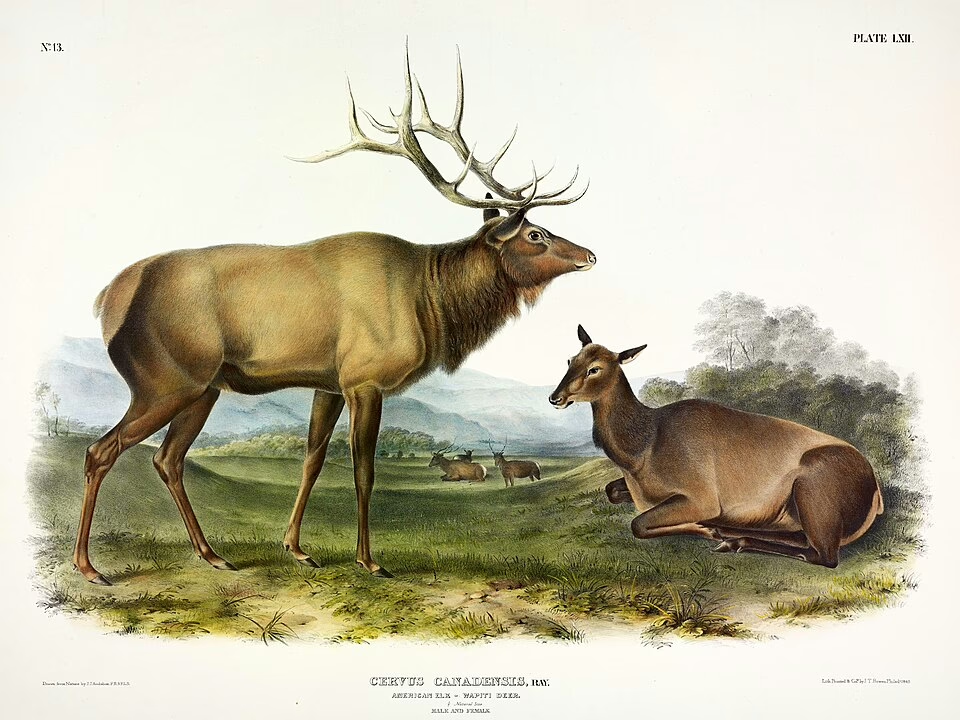
Once roaming forests and valleys of the Northeast, eastern elk were eliminated from the region by the 1800s.Narrow riparian buffer zone along Roaring Run, Pennsylvania.
These species did not disappear because extinction is natural. They disappeared because their homes were destroyed and their lives were treated as expendable, and because laws did not exist to effectively protect them. 99% of species under the ESA have seen their numbers multiply and rise towards sustainably healthy populations, proving it works, and now more than ever, it needs to be upheld and protected.
As we celebrate 250 years of independence, the Northeast reminds us of a hard truth. Liberty without care leads to silence. Empty skies. Quiet forests. Missing voices.
America’s wildlife is not separate from America’s story. It is woven into it. Protecting the ESA and America’s threatened and endangered wildlife is part of America’s responsibility.
And in the Northeast, where this nation began, that responsibility still calls to us through every wave, forest, and wingbeat that remains.
Join the Movement
The future of the Endangered Species Act depends on all of us.
Sign up for our Action Network to stay connected, informed, and ready to act when the Endangered Species Act and the species it protects are under threat. When we act together, we win.