From 3-inch fireworms to 6-foot nurse sharks, these reefs are alive.
That statement is subjectively true, but what does it mean for a reef to be alive in today’s world?
Growing up on the water in the U.S. Virgin Islands, I saw firsthand the rapid degradation of our reefs in a way that was personally devastating. Sediment from dredging and turbidity from cruise ships drove our turtles and dolphins away; introduced lionfish gobbled up our reef fish; coral bleaching, hurricanes, and disease annihilated our stony corals. Every year, the reef that was my home held a little less wonder, a little less life, until it was virtually unrecognizable: rock, sand, and algae.
So when I had the bucket-list opportunity to dive with iCARE off Islamorada in the Florida Keys, I was cautiously optimistic. What I saw blew me away.
Massive brain corals, some half the size of a sedan, were surrounded by sea fans, soft corals, sponges, and schools of vibrant, healthy fish. This was how I remembered the waters of my childhood. It was emotional in a way I didn’t expect; a reassurance that ecosystems like this still exist.
But ecosystems don’t all degrade at the same rate. The reefs where I grew up simply reached a crisis point more quickly. Florida’s reefs, without serious intervention, are on the same trajectory.
Which is why it was so meaningful to contribute to the iCARE dive teams’ maintenance of their coral outplanting sites.
Infant corals, taken from healthy hosts, are cultivated in a nursery and secured to new reefs, where they are closely monitored and painstakingly cleaned of algae. The oldest corals at the site we monitored had been planted three years ago—and they were growing. A new reef was being built, piece by piece, and life was returning.
As I scrubbed algae from the edges of the young coral, territorial damselfish nipped at my fingers, while a yellow-headed wrasse waited patiently for me to dislodge his next meal. At our second dive site, I swam with my nose practically pressed into the rocks, so absorbed by the tiny critters that I had almost forgotten why we were there.
We were there to monitor bleaching.
It was a sobering reminder that even on a reef that felt so alive, the crisis was happening right in front of us. And it made me think about how much these reefs need; not just restoration, but protection.
Restoration can put corals back on the reef and give damaged ecosystems a chance to rebuild. But it can’t address the threats these reefs face, and it can’t do much in the face of an oil spill. That takes protection at a much larger scale: policies that preserve the habitat these ecosystems depend on and give them the best possible chance to withstand the changes already underway.
That is what makes the Endangered Species Act (ESA) so important. For species and ecosystems already under extraordinary pressure, the ESA provides a backstop when other protections fall short, keeping habitat destruction and other human activities from pushing vulnerable species even closer to the edge.
And yet, even those protections are increasingly being put on the chopping block.
This dive only happened because I was in the Florida Keys for rallies opposing the Trump administration’s so-called “God Squad” decision—a move that exempts oil and gas from any safeguards that protect endangered species in the Gulf of Mexico.
Standing on a boat surrounded by what was one of the most spectacular reefs I’d seen and knowing it was so under threat, the stakes felt very different than they do on paper.
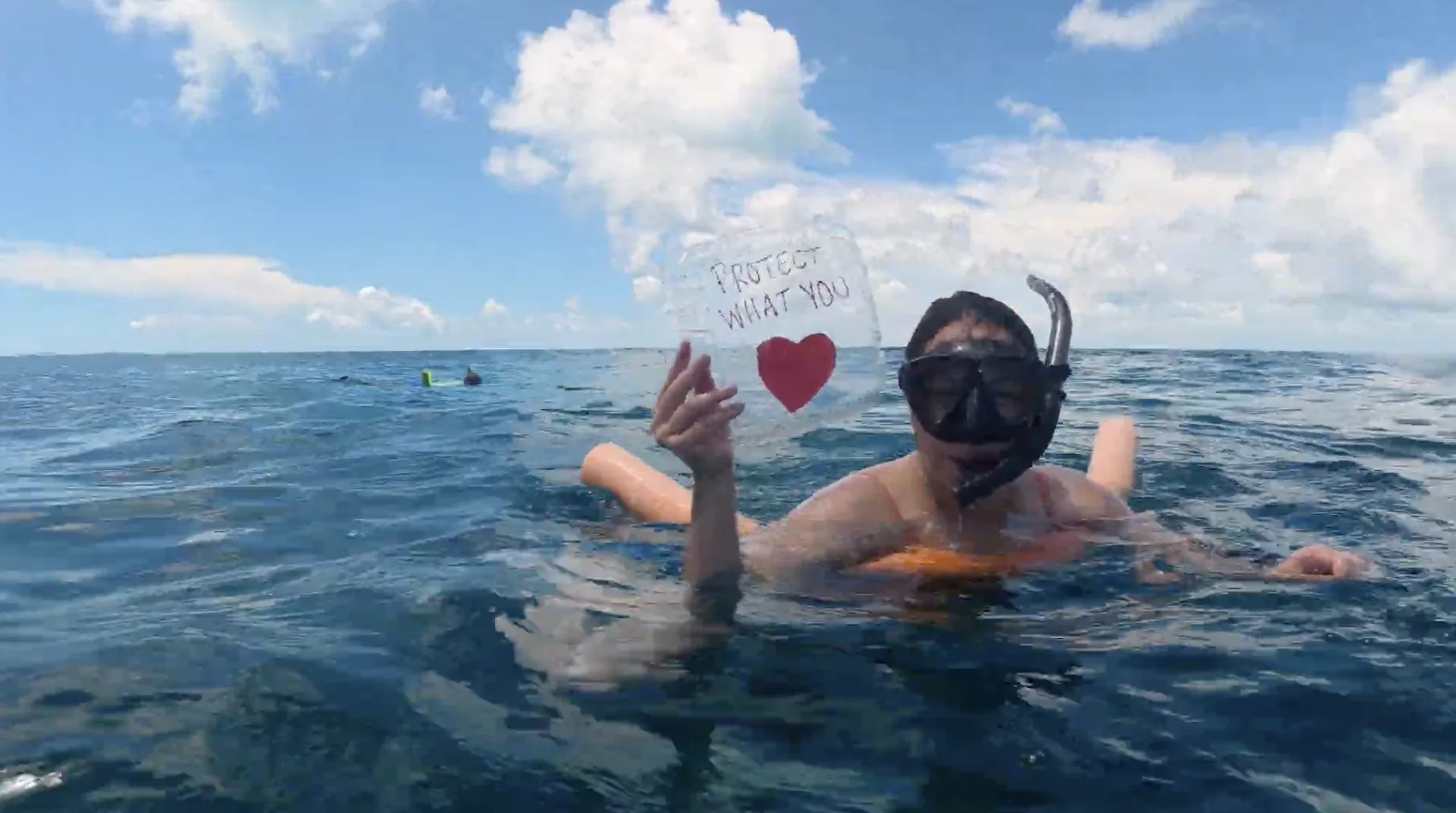
The reefs I grew up with taught me what happens when we wait too long to protect an ecosystem, but the Florida Keys showed me that this doesn’t have to be the end of the story.
We need people to speak up for these places while there is still something to save. We need to remind our elected officials that the Endangered Species Act is not an abstraction, it is what stands between these ecosystems and extinction.