POLLINATOR PROTECTORS
Creating HaBitat for Imperiled Pollinators
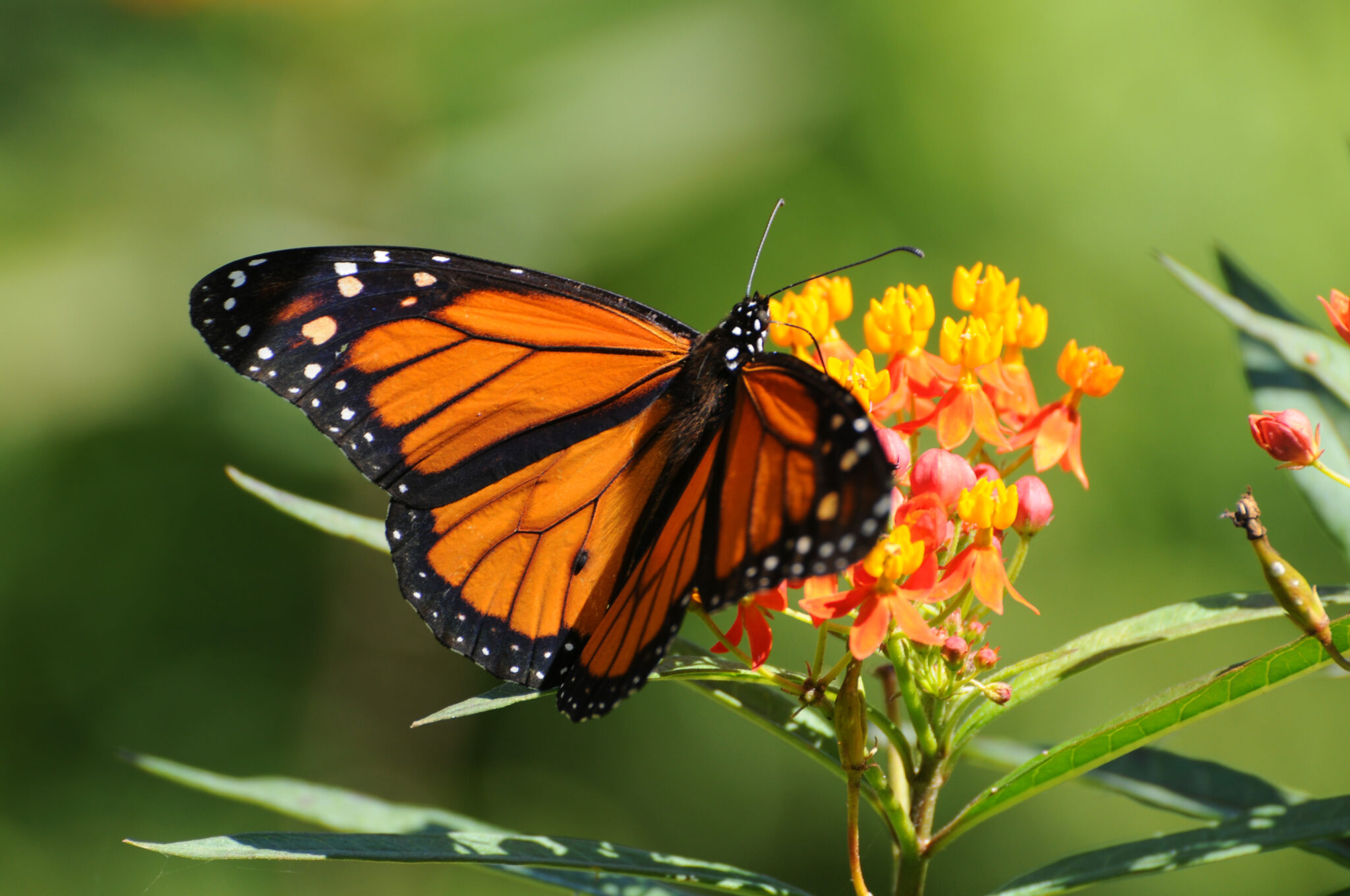
Pollinator Protectors addresses habitat loss: the leading cause of global species decline. With national partners in 26 states, we create habitat for native pollinators by funding plantings of local native plant species. Our plantings incorporate an array of native species – including milkweed, the host plant for Monarchs. We create dynamic habitats where pollinators can survive and thrive.
Pollinator Protectors projects benefit humans, plants, and native pollinators: bees, beetles, butterflies, moths, bats, hummingbirds, and others. Through collaboration and action, we create habitat for Monarch butterflies and other species, raising the profile of our unique native plants and native pollinators. To do this work, we partner with farms, land trusts, schools, faith organizations, wildlife refuges, and national historic monuments. ESC funds projects to create native habitat so that together we can build connections between people and pollinators.
PollINATOR PROTECTORS SPOTLIGHTS
POLLINATOR PROTECTORS IMPACT: Support from Pollinator Protectors has directly advanced the Horn Farm Center’s efforts to restore habitat, increase biodiversity, and expand ecological education in our community. Funding has provided essential resources for plants used in the Ecological Gardener Training program’s student projects—transforming several spaces into vibrant, biodiverse teaching habitats. This investment continues to benefit both pollinators and people by supporting hands-on learning and long-term ecological stewardship in our community.
WHO: The Horn Farm Center is a nonprofit organization dedicated to restoring ecological health and cultivating a culture of regenerative land stewardship through education, demonstration, and community engagement. Each year, the Horn Farm Center hosts its Ecological Gardener Training (EGT) Program, which teaches home gardeners, land stewards, and landscape professionals to design and maintain biodiverse, pollinator-friendly habitats. First launched in 2022 in partnership with Waxwing EcoWorks, the program focuses on rebuilding biodiversity and ecosystem services in human-managed spaces using native plants and ecological design. Each year, participants study regional plant communities, ecology, scaled design, and seasonal management techniques while applying their learning through a hands-on garden project at the Horn Farm Center. Student-led projects have included: native pollinator gardens, a wet-meadow pocket garden, an upland forest understory planting, and a native medicinal understory garden. These gardens continue to thrive as a living classrooms that benefit over 5,000 annual visitors, volunteers, and participants.
HOW: As land stewards, gardeners hold a profound power to nurture life and restore balance in our ecosystems. Through thoughtful gardening, they can strengthen connections with the natural world, provide vital habitat for pollinators and birds, and enrich the soil that sustains us all. The Horn Farm Center’s Ecological Gardener Training program cultivates the next generation of dedicated stewards, equipping them to address the root causes of species decline—like habitat loss and invasive species—while making meaningful, lasting impacts in their local landscapes. Through hands-on work with native plants, pollinator gardens, and ecological design, participants leave with the knowledge and inspiration to carry these practices into their own communities, helping to grow a culture of conservation that supports both people and wildlife.
POLLINATOR PROTECTORS IMPACT: Pollinator Protectors has provided funding for milkweed and other native plants that are distributed with the Treasure Valley Pollinator Project flowers. This helps keep the cost of the materials low, and also allows us to offer free educational programs for the community to learn how to better manage their habitats.
WHO: The Treasure Valley Pollinator Project is a community-wide effort to increase pollinator habitat – right in our own backyards. The Project provides cost-effective pollinator plants for the community to purchase and plant in their gardens. This creates important, biodiverse habitat for insects throughout the region that are critical to a healthy ecosystem. In addition to providing affordable plants, we also offer a variety of free educational opportunities about our highlighted pollinators throughout the year.
HOW: Our project is focused on making small conservation efforts affordable and attainable to the community. Giving them actionable steps and information to move forward creates empowerment, and generates a movement of people that care. It creates momentum, which in turn can produce ripple effects throughout the community and other conservation efforts
NATIVE PLANTS for COMMUNITY
Native plantings in urban communities provide nectar and shelter where native pollinators most need habitat. Community connections are nurtured when we make space for native plants and wildlife.
ESC partnered with DC Natives in Washington, DC to connect community, native plants, and native pollinators.
HABITAT for NATIVE POLLINATORS
By installing native plants in stormwater basins communities create habitat for pollinators while protecting water quality and preventing harmful flooding.
ESC partnered with Ada County Highway District and Draggin’ Wing High Desert Nursery in Boise, Idaho to accomplish these goals.