
TAKE ACTION for WILDLIFE and PLANTS
Postcards to Policymakers
What Are Postcards to Policymakers ?
Postcards to Policymakers is a new project launching for Endangered Species Day, May 16th, 2025. This project is designed for you, to help you advocate for wildlife and plants. This project is created for your community, to help you come together for fun postcard writing events.
We’ve assembled a set of free, downloadable postcards created by artist-activists, and useful toolkits where you can learn more about imperiled wildlife and plants. Postcards to Policymakers species range from monarch butterflies to grizzly bears with more postcards coming later this year.
Join the movement calling for continued strong Endangered Species Act protections and funding to protect species with Postcards to Policymakers.
Follow the easy steps below to participate
Policymakers are people holding elected political office. They are your elected officials, and they make decisions about important policies such as wildlife and plant protections and funding for imperiled species recovery. Anyone can send postcards to policymakers, including your House Representative and your two Senators, as well as to your Governor. The postcards are most effective when sent to the person who represents you. All Members of Congress, regardless of their state or district, make decisions about national laws that affect wildlife across the entire country.
You can start by finding your elected officials here.
Enter your physical address and you will find links to your policymakers’ websites. Go to their website, where you will find contact details, including their mailing address to use on Postcards to Policymakers.
Policymakers want to hear from their constituents, the people they represent. Postcards to Policymakers will help you communicate the message that wildlife and plants matter and that species protections are important – and that this matters now, more than ever.
Download your choice of postcards from the options below. Send the image file to your local printer for pick-up, or send the image to a print company who ships directly to you.
Once you have the printed postcards you can write your policymaker. Find out how to look up their address under the ‘Who Are Policymakers’ tab on this page, or click here to look up who your policymakers are and find their mailing address on their website.
In the toolkits below that accompany the postcard for each species, you will find info about the issues affecting the animal or plant. We have provided a suggested prompt to get you started. Write your message, and send your postcard to the policymaker.
You can amplify your impact with these ideas for your community
- Invite people to gather for a postcard writing party
- If you are part of a local non-profit group or chapter, host a postcard event with your group
- Pair the postcard writing party with a film – check out suggested films here
- Host a table for postcard writing at community events
- Share postcards and this toolkit with your friends, family, and colleagues
- Hold a postcard event at your college or university campus
You are invited to show the impact of your work by sharing pictures – of you writing and sending postcards, or your postcard parties, on Instagram.
Tag ESC @endangeredspeciescoalition
Click the links to download postcards and toolkits

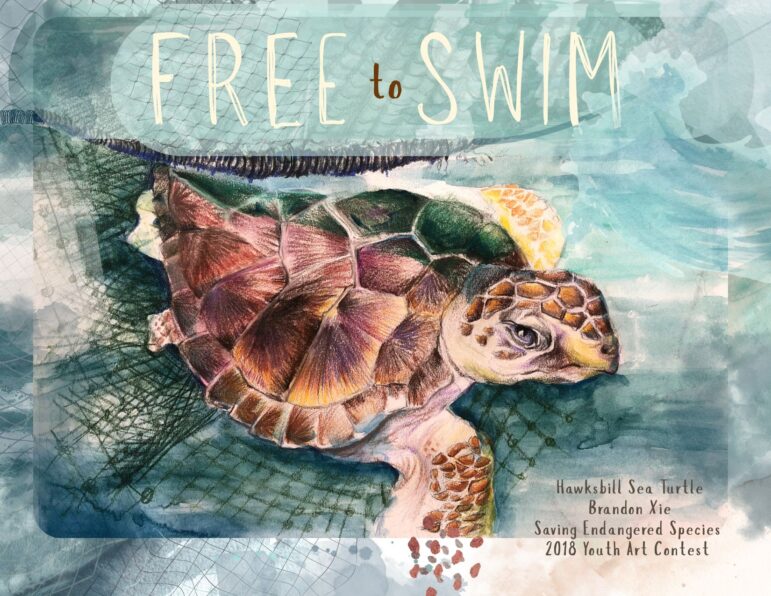
SEA TURTLE
Sea turtles are some of the most amazing creatures in our oceans. Six species of sea turtles live in the oceans surrounding the United States: green, loggerhead, Kemp’s ridley, leatherback, hawksbill, and olive ridley turtles.
The Endangered Species Act ensures science-based measures are in place to protect sea turtles.
But politicians are trying to remove these protections from the Endangered Species Act.
Sea turtles need you to pressure your elected officials to keep the Endangered Species Act strong and effective.

GRAY WOLF
Gray wolves are still recovering from near extinction, and their survival depends on strong federal
protections.
Some influential politicians in Congress are pushing to strip Endangered Species Act (ESA) protections from gray wolves nationwide, which would open the door to trophy hunting and stop any effort to coordinate recovery across State lines.
That’s why gray wolves need you to pressure your elected officials to keep them protected.
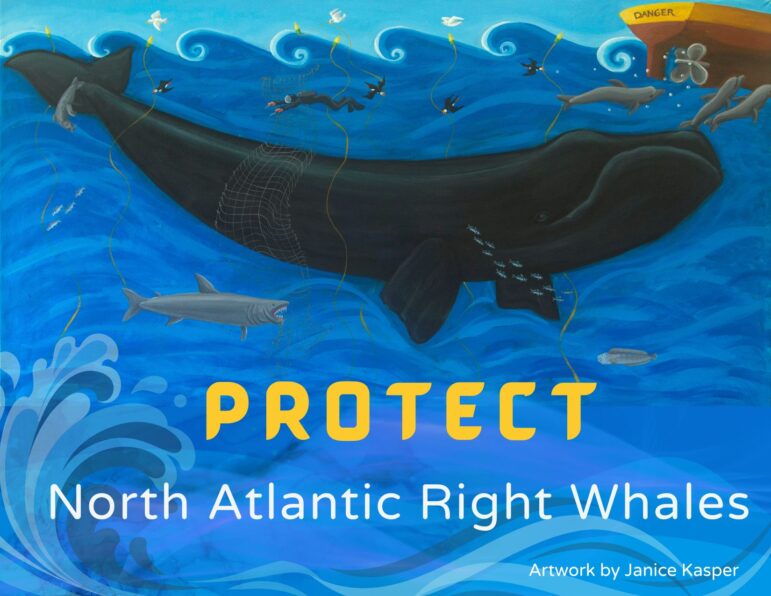
North Atlantic Right Whale
North Atlantic right whales are enormous, slow swimming, and live close to the busy coastlines of the eastern US and Atlantic Canada. Annually, they migrate from the waters near Florida up to Maine and Canada.
The Endangered Species Act (ESA) and Marine Mammal Protection Act (MMPA) helped protect and recover them from whaling, but today heavy fishing industry ropes and fast-moving vessels kill North Atlantic right whales – in particular, threatening the mother and baby whales.

Monarch Butterfly
Iconic Monarch butterflies are among the most recognizable and beloved animals in North America. But eastern monarchs have declined by 56-74 % and 99% of the western population has been lost.
Monarch butterflies are in serious trouble. It is estimated that, without protections and recovery actions, there is a high probability that monarchs will be extinct in North America within 60 years. Right now, Monarchs are proposed for listing under the Endangered Species Act, so it’s especially important to show your support for their protection.
Grizzly Bears
Grizzly bears are still recovering from near extinction, and their survival depends on strong federal protections. Some influential politicians in Congress are pushing to strip Endangered Species Act (ESA) protections from grizzly populations in the Northern Rockies, which would open the door to trophy hunting and habitat destruction.
That’s why grizzly bears need you to pressure your elected officials to keep them protected.

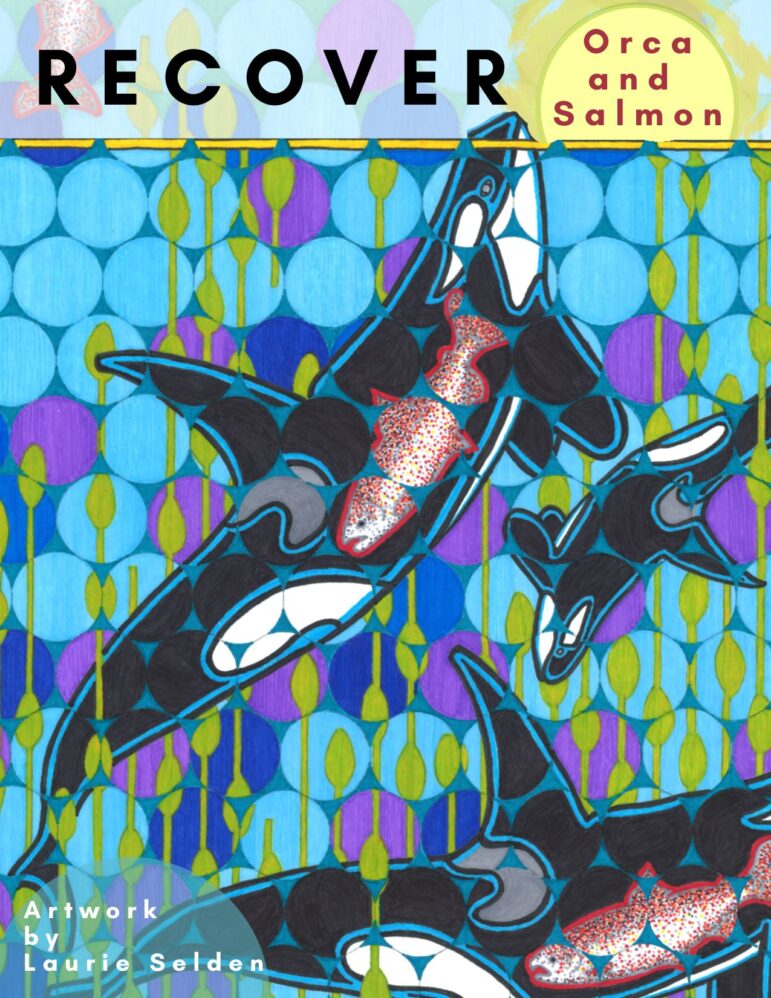
Southern Resident Orcas and Chinook Salmon
Southern resident orcas are a unique, large oceanic dolphin whose diet relies up to 80% on Chinook salmon.
Southern resident orca are listed as critically endangered by the Endangered Species Act (ESA).
Only 73 individual southern resident orcas remain. The salmon orca rely on to survive, including spring/summer Chinook salmon, Snake River fall-run Chinook salmon, and Snake River sockeye salmon are all ESA listed. The primary cause of southern resident orca decline is lack of prey, and the once abundant salmon spawning groups on the Lower Snake River must be restored by removing four outdated dams on the Lower Snake River.

Monarch Butterfly
Iconic Monarch butterflies are among the most recognizable and beloved animals in North America. But eastern monarchs have declined by 56-74 % and 99% of the western population has been lost.
Monarch butterflies are in serious trouble. It is estimated that, without protections and recovery actions, there is a high probability that monarchs will be extinct in North America within 60 years. Right now, Monarchs are proposed for listing under the Endangered Species Act, so it’s especially important to show your support for their protection.